

Dead Tree Removal Sacramento: Spot Hazard Trees Early
Dead trees are silent hazards that often fail without warning during high winds or storms. These flaws threaten your home and family on Sacramento area properties. Removing a diseased tree now prevents costly damage before the next storm hits our area.
Knowing when a tree is too far gone to save is the first step in protecting your yard. Many people miss the signs of decay until a branch breaks. Learning How to Identify a Dead or Diseased Tree on Your Property helps you plan for safe removal. The path begins with
Dead Tree Removal Sacramento: How to Identify a Dead or Diseased Tree on Your Property
Spotting a sick tree early can save you from a lot of trouble. In the Sacramento area, weather and pests can take a toll on your landscape. Knowing the signs of a failing tree helps you decide when it is time for dead tree removal Sacramento services. You should walk your land twice a year to look for changes. Check for dry wood, peeling bark, or fungi near the base. These clues often mean the tree is no longer safe.
Visible Warning Signs
Nature gives many clear hints when a tree is in decline. A healthy tree has full leaves or needles and firm bark. If you see a lack of needles, bark, or limbs, the tree may have deep issues. You should also look for conks, which are hard, shelf-like fungi on the trunk. These growths often point to internal rot. According to the USDA Forest Service, other signs include broken tops, basal scars, and many woodpecker holes. These warning signs show that the wood inside is soft or dying.
Growth Patterns and Seasons
The way a tree grows through the year tells a story about its strength. In the spring, healthy trees should grow new leaves. If a tree stays bare while others are green, it may be dead. In the summer, watch for leaves that turn brown too soon. Dead twigs are brittle and snap easily, while live wood stays flexible. You should also look at where the branches meet the trunk. A branch bark ridge is a raised line of bark in the union. This ridge shows a strong link between the branch and the tree. But if the bark turns inward, it is called included bark. This creates a weak point that can snap in a storm.
Watch out for co-dominant leaders as well. This happens when two or more stems try to lead the tree. These stems often have weak joints that pull apart as the tree grows. Cracks in the trunk are also a big risk. If a crack goes deep into the wood, the tree could split at any time. Roots that heave out of the ground can mean the tree is leaning too much. These issues are hard for most people to fix on their own. If you see these signs, it is best to talk to an expert about what makes the best tree removal service for your needs.
The Importance of Professional Inspection
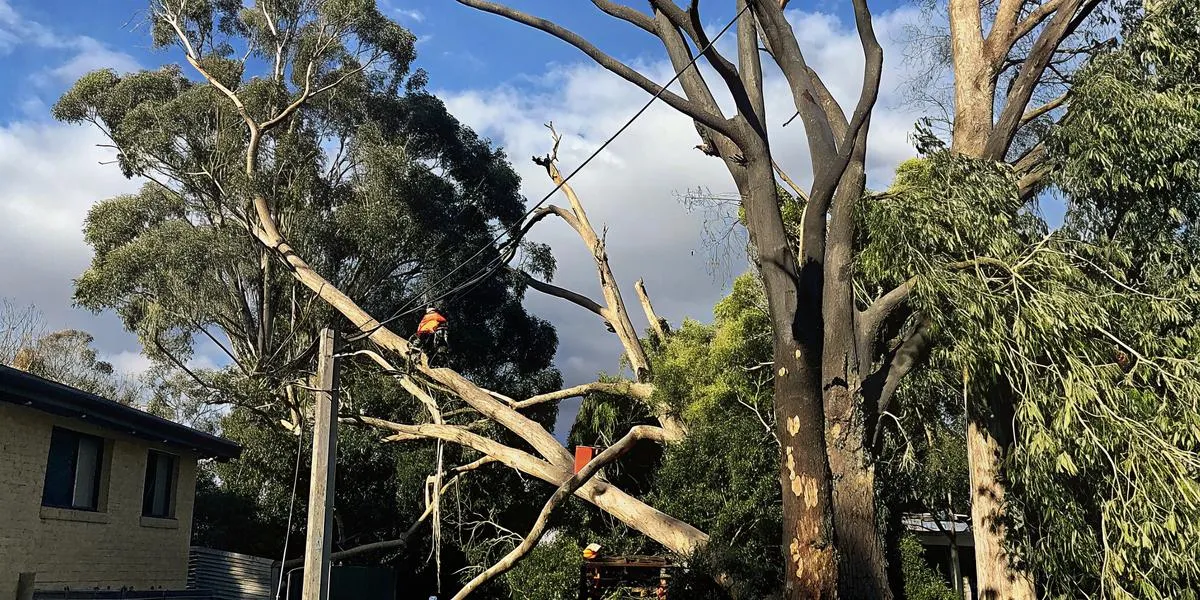
A trained eye can find things you might miss. An expert looks for small cracks, tiny holes from pests, and root health. They know how to spot issues that are hidden under the bark. Small bugs can eat a tree from the inside for years before you see a leaf drop. Early help can keep your property safe and might even save a tree that is just starting to get sick. If the tree is too far gone, a pro can take it down safely. They use the right gear to work without hitting your home or power lines.
Answer Capsule: Identifying a dead or diseased tree involves checking for physical signs like missing bark, conks, and basal scars. You should also watch for structural flaws like included bark or co-dominant leaders. If your tree shows these symptoms, seek professional help now to ensure your property stays safe from falling limbs or tree failure.
Why Dead Trees Become Dangerous Hazards
A dead or diseased tree is more than just an eyesore for your home or business. Experts define a hazard tree as any tree with weak spots that make it likely to fall in whole or in part. If you have a risky tree on your land, call JT&M Tree Management at (916) 664-7439. Request a free quote for dead tree removal Sacramento property owners trust. Acting fast helps keep your family and land safe from sudden falls.
Weak Spots and Inner Rot
Inner rot is one of the most common reasons a tree fails during a storm. Decayed wood is very weak. It often serves as the top cause for a tree to break or fall over. While a single dead branch is a risk, rot in the main trunk is much more risky for you. You can read how decay leads to tree failure from the University of Minnesota. Experts at JT&M Tree Management know that dead trees pose big risks to local homes and shops.
Weak spots can hide deep inside a tree for years. You might see cracks, holes, or fungi on the bark. But the real damage is often out of sight. These flaws mean the tree can no longer support its own weight. Without expert help, these trees can fall without any warning. This is why you should check your yard for signs of rot often to stop a crisis before it starts.
Weather Risks in Sacramento
The weather in Sacramento adds extra stress to weak trees. During the hot summer, dry wood becomes a fire risk and loses its strength. In the winter, high winds and ice can cause heavy branches to snap. They can also pull the whole tree out of the ground. These storms often lead to huge damage when a dead tree stands too close to a house. Taking down a dead tree now is the best way to prevent storm damage later.
Fire safety is another big concern for local land owners. Dead trees act like fuel during a fire. This makes it harder to protect your home. Creating defensible space by removing dead wood is a key step for fire safety in California. By clearing these risks, you help keep your land safe from the heat and wind that hit our area each year.
Business and City Safety Risks
For business owners and cities, a dead tree is a major cost risk. A falling tree can hurt people or block roads. It can also damage buildings and cars. We offer commercial tree removal services to help local shops manage these risks. Keeping your grounds safe is not just about looks. It is about protecting your customers and your brand.
Public spaces also need regular checks to keep people safe. Our municipal tree removal solutions focus on safety for parks and city streets. Removing dead trees early saves money and keeps people safe. Whether you run a small shop or manage a city park, expert tree care is a smart way to lower your risk.
Answer Capsule: Dead trees become a risk because they have weak spots that make them likely to fail. Rot and decay weaken the wood, while Sacramento winds and heat add extra stress. Dead tree removal Sacramento services prevent property damage and keep people safe by taking down risky trees before they fall during a storm.
Common Causes of Tree Decline in Sacramento
Many home owners do not see that tree health often starts to fail years before a tree dies. If you see signs of decay or weak points in the tree's form, contact JT&M Tree Management. Request a tree check or get a quote for dead tree removal Sacramento. Early action is always safer than waiting for a branch to fall during a storm.
Direct Harm and Bark Wounds
One of the most common causes of tree death in local yards is direct harm to the bark. Wounds from lawnmowers, grass trimmers, or cars can open the tree to pests and rot. As the University of Minnesota Extension says, these wounds cause areas of decay that weaken the tree over time. Always keep grass trimmers and mowers several inches away from the trunk to prevent bark damage.
Another common issue involves how young trees are kept stable. Many people use wires or ropes to stake a new tree but forget to take them off. Never attach staking wires or ropes directly to tree stems. These wires can cut into the bark as the tree grows. This damage leads to rot and can kill the tree if it stays too long.
Poor Trimming Choices
The way you trim your trees can also lead to their decline. Many owners make "flush cuts" by pruning a branch too close to the main trunk. This stops the tree from sealing the wound well. A proper cut leaves the branch collar intact. This is the swollen area where the branch meets the trunk. If you cut this off, the tree cannot grow new bark over the wound. This leaves the wood open to wet weather and bugs.
Flush cutting causes decay that spreads into the core of the tree. This rot makes the wood weak and increases the risk of a break during high winds. Using commercial tree removal services to handle large limbs keeps the job safe. Good pruning techniques keep the tree strong and help it stay healthy for years. Our team avoids these common mistakes to protect the life of your yard.
Nature and Building Stress
Sacramento has a hot, dry climate that puts stress on many tree species. Dry spells can slow down growth and make a tree more likely to get sick. Packed soil is one big factor, mostly on building sites. Heavy machines or extra soil on top of roots can choke the tree. This happens because tree roots need air to live. When the soil is packed down, air cannot reach the roots. This damage may not show up for years, but it often leads to a slow decline.
You might see the leaves turn yellow or the top branches die back first. Other signs of stress from building work include:
Slow growth in new branches.
Leaves that are smaller than normal.
Dead wood in the outer canopy.
Fungi growing on the trunk or roots.
Work near the root zone can also cut major roots that feed the tree. This loss of support makes the tree a hazard. Our guide on what makes the best tree removal service explains how to keep your site safe. If your trees show these signs after building work, contact JT&M Tree Management for a safety check. Protect the root zone of your trees with fencing before any building or paving begins on your land.
Common causes of tree decline in Sacramento include bark wounds from lawn tools, poor pruning like flush cuts, and staking wires that damage the tree. Stress from dry spells and packed soil from building work also weaken trees. Routine care and good pruning prevent these issues and keep trees safe for your land.
Signs You Need Professional Dead Tree Removal
A dead or dying tree can quickly become a hazard tree, which is any tree with structural defects that make it likely to fail. You should contact JT&M Tree Management at (916) 664-7439 for a free quote if you spot leaning trunks or large dead limbs over your home. Finding these risks early helps you protect your property and personal safety before the next big storm hits the Sacramento area.
Answer Capsule: Identifying signs of a hazard tree involves looking for trunk cracks, fungal growth at the base, and large dead branches. Professional dead tree removal Sacramento property owners trust is needed when trees show internal rot or lean toward structures. Catching these defects early prevents property damage and keeps your family safe.
Visible Trunk and Root Damage
The trunk is the main support for any tree. When it shows signs of decay, the risk of a full collapse goes up. Decayed tissue is very weak and is the most common cause of tree failure, especially when the decay is in the main trunk. Look for deep trunk cracks, missing bark, or large basal scars near the ground. These wounds can come from old lawnmower hits or cars and weaken the wood over many years.
Fungal growth is another clear sign of trouble. Mushrooms or conks growing on the bark or at the base often mean there is internal rot inside the wood. According to the USDA Forest Service, trees without bark or limbs often have structural defects that make them unsafe. If you see these signs on a tree over 50 feet tall, you need expert help to handle the removal safely.
Branch and Canopy Warning Signs
A healthy tree should have a full canopy during the growing season. A sudden leaf drop or branches that stay bare while the rest of the tree turns green are major red flags. Dead branches are brittle and can fall without warning. This is a huge risk if the limbs hang over your roof, driveway, or power lines. A branch bark ridge shows a strong attachment, but its absence can point to a weak spot prone to breaking.
Key Takeaway: Watch for co-dominant leaders, which are two or more stems that compete for the center of the tree. These often have weak unions that can split apart during high winds. Proactive removal of these hazard trees is the best way to prevent damage to your home or landscape.
When to Call an Arborist
Safety should always be your top priority when dealing with large trees. Trying to remove a dead tree on your own is dangerous. Data shows that injuries spike after storms because people try to use ladders or chainsaws without the right training. A professional Mayo Clinic study notes that many storm-related injuries happen during cleanup efforts.
JT&M Tree Management specializes in the safe removal of trees over 50 feet tall. Our team uses modern tools to take down hazardous trees without harming your property. Whether you have a single dead pine or need to clear a large lot for fire safety, we provide the expert care you need. We also offer 15% discounts for seniors and military members to help keep our community safe all year long.
What the Professional Dead Tree Removal Process Looks Like
Professional dead tree removal protects your home and yard from falling branches. Skilled crews use a set of steps to take down risky trees safely. This work keeps your family and your land safe from harm.
Inspection and safety setup
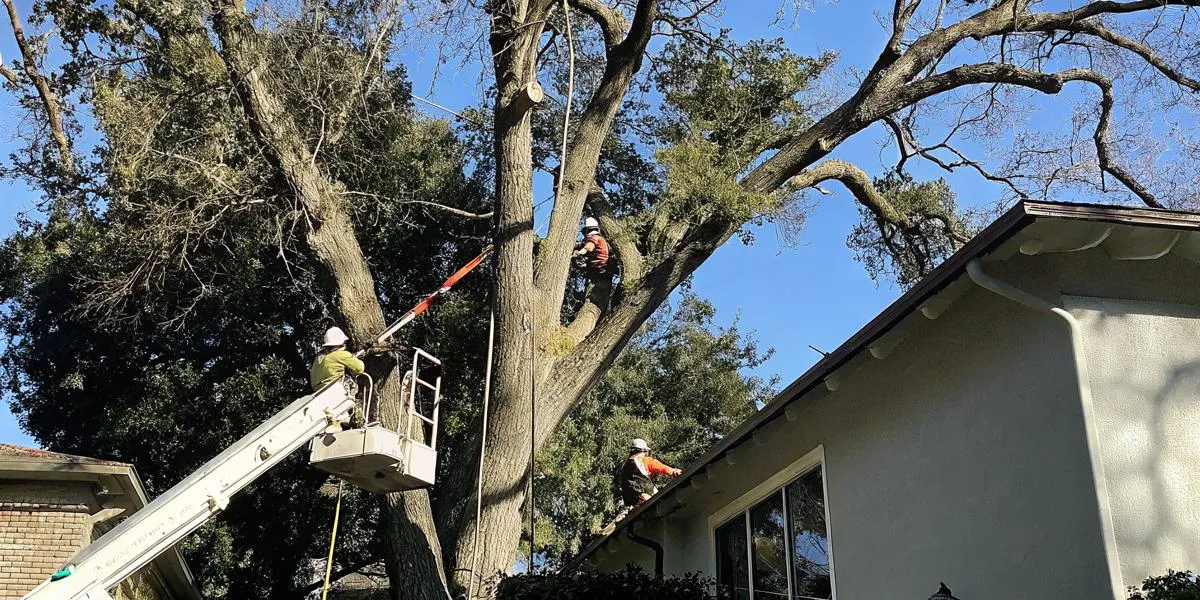
The first step is a full check of the tree and the yard. Our team looks for power lines, fences, and roofs to plan a clear path. We find weak spots like decayed wood or broken tops that make a tree un-safe. Our crew puts up signs and cones to keep the area clear before they start.
Removing the tree in pieces
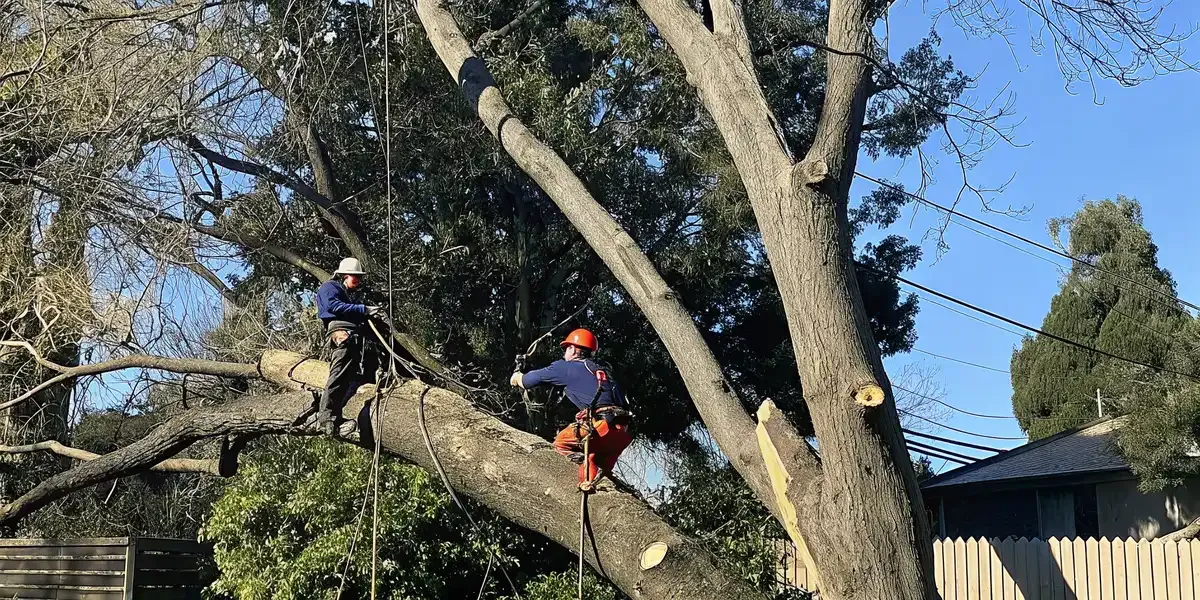
For most trees in small yards, we cut them down in pieces. Our staff or crane teams cut the tree into small logs from the top down. This way, we can lower each piece to the ground with ropes. It is the best way to do commercial tree removal services without hitting parked cars or sheds. We have the tools to safely remove trees over 50 feet tall.
Cleanup and stump grinding
Once the trunk is down, we clear all wood and leaves from your lawn. We then use a tool for stump grinding to clear the base. This step stops new shoots from growing back and keeps pests like ants away. We leave your yard clean and ready for new grass.
- Site Check:
Staff check the tree for rot and look for power lines.
- Safety Zone:
The team sets up cones to keep people and cars away.
- Top Cut:
Crews cut the top limbs first to lower the tree weight.
- Piece Work:
The main trunk is cut into small logs and lowered with ropes.
- Debris Fix:
All wood, sticks, and dust are taken away from the yard.
- Stump Tool:
A fast wheel grinds the stump below the dirt to stop pests.
- Final Wash:
The team rakes the lawn so it looks clean and neat.
Answer Capsule: The expert removal process starts with site checks and safety gear. Crews then cut the tree in small pieces from the top down. This keeps your home safe while they work on large 50-foot trees. Ending with stump grinding stops new growth and keeps pests away from your yard.
The Cost of Delaying Dead Tree Removal
Waiting to remove a dead tree can lead to big bills and safety risks. Many people wait until a storm hits to deal with a failing tree. But by then, the danger to your home and family is much higher. In Sacramento, high winds and ice can cause branch breakage and uprooting in urban areas. Removing these trees early is the best way to prevent damage. Taking care of these hazards now saves you stress and money in the long run.
Financial risks of waiting
Waiting to take out a dead tree in Sacramento often leads to higher costs. A planned job is much cheaper than a rush call after a tree falls on a roof or power line. If a dead tree hits a car or a house, you may also face high insurance bills. For business owners, waiting can mean more risk if a tree falls in a parking lot. Professional tree care helps you avoid these sudden costs.
Using commercial tree removal services helps business owners manage these risks. It is better to set a time for work than to deal with a blocked path or a damaged house. You can also take advantage of savings by acting now. JT&M Tree Management offers a 10% general discount. We also give 15% off for seniors and military members. These savings make it easier to protect your land today.
Safety and legal risks
Dead trees are brittle and can fall at any time. When you wait for a storm to bring a tree down, you also risk injury during the cleanup. Research from the Mayo Clinic shows that injuries often spike after storms. Most accidents involve falls from ladders or chainsaw mishaps. This happens when people try to clear heavy logs on their own.
Removing dangerous trees now keeps your family safe and keeps you off a ladder during a storm. Safety should always come first when dealing with old-growth trees. A dead tree near a sidewalk or road is a legal risk for any owner. If the tree falls and hurts someone, you could be held responsible for the medical bills. Acting now shows that you are a responsible owner who cares about the area.
Sacramento specific risks
Sacramento owners must also think about wildfire safety. Dead trees and dry brush can act as fuel during the hot summer months. Clearing these hazards helps you meet fire safety rules. This protection is vital for homes near open fields or woods. Removing dead trees helps stop the spread of fire.
High winds in the valley can also turn dead branches into flying tools. During the winter, wet soil makes it easy for dead trees to tip over. By removing these trees now, you protect your lawn and your neighbors. It is a simple step that makes your home much safer all year.
Request a free quote for dead tree removal Sacramento from JT&M Tree Management by calling (916) 664-7439 today.
Answer Capsule: Waiting to remove a dead tree increases the risk of home damage, injury, and high emergency costs. In Sacramento, high winds and wildfires make dead trees a major threat. Early removal is cheaper and safer than waiting for a storm. Acting now protects your land and helps you meet local safety rules.
Frequently Asked Questions
Does homeowner insurance pay for dead tree removal?
Most homeowner insurance plans do not pay to remove a dead tree before it falls. Insurance firms see dead tree removal as normal home care. If the tree falls and hits your house or fence, your plan might pay for the cleanup. You should ask your agent to see what your plan covers. Per the JT&M Tree Management team, pros can protect your home from trees that are about to fail.
How much does dead tree removal cost in Sacramento?
The price to remove a dead tree in Sacramento depends on the height and health of the tree. Large trees over 50 feet tall often need special tools and more workers. Trees near power lines or houses also take more time to remove in a safe way. Most pros will look at your tree and give you a free price quote. You can save cash by using a discount if you are a senior or in the military.
Do I need a permit for dead tree removal in Sacramento?
In the City of Sacramento, you may need a permit to remove a tree if it is a special type or a certain size. Look for signs of rot like holes or bark loss before you ask for a permit. Per the USDA Forest Service, these signs show the tree has weak spots. A local tree expert can help you see if your tree needs a permit. Checking first helps you avoid fines and keep your home safe.
Is there free dead tree removal in Sacramento?
Sacramento does not offer free tree removal for trees on private land. The city only takes care of trees in public parks or along city streets. Home owners must pay for the removal of dead trees on their own lot. While the cost may seem high, removing a hazard tree now is much cheaper than fixing storm damage later. Early care is the best way to stop tree damage based on the University of Minnesota.
Ready to schedule a free consultation for dead tree removal?
Leaving a dead or diseased tree on your Sacramento lot is a big risk because a rotting trunk or weak roots can fail at any time without warning. When high winds hit our area, these trees are often the first to fall and cause thousands of dollars in damage to your roof, fence, or power lines. If you act now, you can have a skilled pro clear the hazard safely before the next storm turns a small problem into a costly emergency. And you can even get a 10% discount on the work.
Ready to schedule a free consultation for dead tree removal? Call (916) 664-7439 to talk to a local tree expert and book your tree check today.
Comments