

Municipal Tree Care Sacramento: A Practical Guide
Municipal Tree Care Sacramento: A Practical Guide
Sacramento's urban forest is a vital public asset. Maintaining this canopy requires municipal tree care Sacramento teams to keep public spaces safe.
Managing trees across public parks and roads requires a clear plan that balances safety, access, tree health, and available resources. JT&M provides commercial and municipal tree care services for large sites. The first step is understanding the full scope of a municipal care program.
Municipal Tree Care Sacramento: What municipal tree care in Sacramento includes
Sacramento is famous for its dense tree canopy. The county has about 6 million trees across the whole region. Caring for this big urban forest takes a lot of daily work. High quality municipal tree care in Sacramento keeps public spaces safe and leafy for everyone. This work starts with planting new saplings and ends with removing old, dying trees.
About 20 percent of the urban forest in the city is made up of public trees. These are the trees you see in local parks and along city streets. Skilled teams use public-tree inventory and planning services to manage these living assets. Unlike most things the city owns, trees gain more value as they get older.
Tracking and Safety Checks
Expert teams start by making a full list of all public trees. They check each tree for signs of health or risk. This helps them find trees that might fall or get a disease. Regular checks allow the city to plan for future needs. These lists show which trees need more water, food, or space to grow well.
City staff also review plans for new buildings. They look at how new work might affect trees that have legal protection. This ensures that big projects do not harm the local canopy. By watching each tree, the city keeps the urban forest strong for years to come.
Pruning and Health Plans
Crews perform routine pruning on a set cycle. This work keeps heavy branches away from power lines and traffic signs. It also helps the trees grow in a way that makes them live longer. Special programs like the Neighborhood Pruning Program focus on street trees in many local areas.
Professional health care also includes treating pests and fungus. Good care keeps about 70 percent of local trees in good or great shape. When trees are healthy, they provide more shade and clean the air better. This helps the city reach its goal of growing the tree canopy to 35 percent by 2045.
Storm Response and Removal
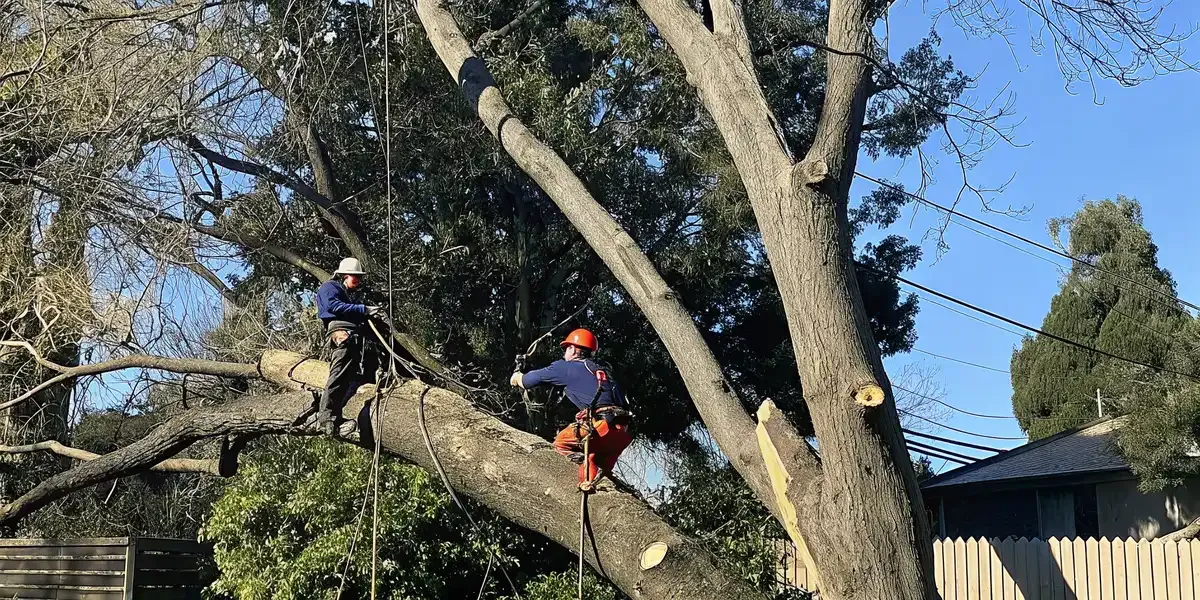
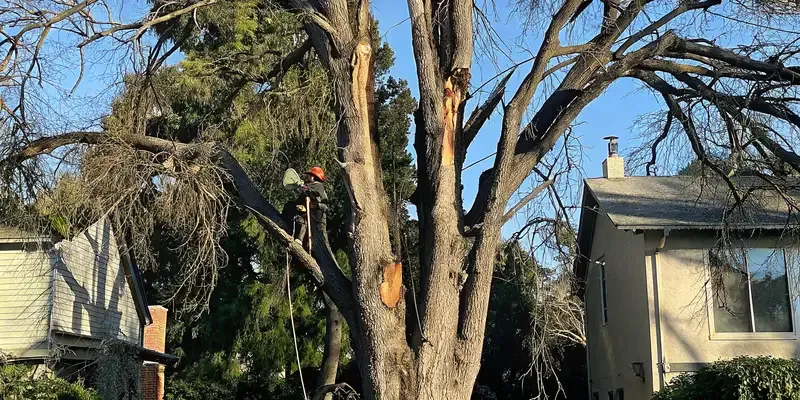
Sometimes a tree becomes too sick or old to stay up. In these cases, crews must remove it with great care. They use modern tools to keep people and property safe during the job. They also clear out stumps so new trees can be planted in the same spot.
Crews also respond fast after big storms hit the region. High winds can cause large limbs to fall and block roads. Emergency teams work day and night to clear debris and keep traffic moving. Fast action helps the city stay safe and get back to work after a bad storm.
Why does Sacramento's urban forest need a local plan?
Sacramento is known as the "City of Trees." Its urban forest has about 6 million trees across the county. These trees give shade and keep the air clean. But a large forest in a big city needs a smart plan.
Most trees are on private land, but they all face the same local risks. Without a local plan, the city's green canopy could shrink over time. A plan helps keep our city cool and safe.
Care for the local climate
Our local weather puts a lot of stress on trees. Sacramento has hot and dry summers. Many trees need a steady supply of water to stay healthy during these months. A good plan for full municipal tree care plans includes checking soil moisture and setting up watering.
If trees do not get enough water, they become weak and can die or fall. Proper care helps trees fight off pests that like heat. Experts look for signs of drought stress before it is too late. This keeps the forest green even when the sun is strong and the ground is dry.
Storm readiness and public safety
Winter storms in this zone can bring high winds and heavy rain. These storms often lead to fallen limbs or trees pulled from the ground. To keep people safe, the city uses programs like the Neighborhood Pruning Program to trim street trees. Steady trimming makes trees stronger and less likely to break during a storm.
Waiting for a storm to hit before taking steps is risky. A local plan aims at early care. This means finding weak spots and fixing them before they fail. It stops the need for urgent calls and keeps streets open and safe. Expert crews help the city stay ready for any weather.
Planning for city growth
Trees must share space with roads, paths, and power lines. When a tree grows too close to a line, it can cause power loss. Roots can also lift up paths and create trips. Municipal tree care in Sacramento requires careful planning to avoid these issues.
Expert tree crews review plans to ensure the right tree is in the right place. They look at how big a tree will get and how its roots will grow. This work protects the city's power grid and keeps paths clear for us all.
A plan also helps the city grow its forest for the future. Sacramento wants to increase its tree canopy from 19 percent to 35 percent by 2045. This requires planting new trees that can handle the local heat. Choosing hardy species makes sure the new trees live for a long time. This mix of trees protects the whole forest if a new pest or disease arrives.
How do you build a municipal tree maintenance program?
Public trees are unique assets for any city. Unlike roads or pipes, trees can grow in value as they age. This makes municipal tree care Sacramento a vital part of local planning. A solid program helps protect people and property while keeping the urban forest healthy. To build a system that lasts, you must treat trees as living assets that need steady care and expert watch.
Safe public spaces depend on clear plans and steady work. Most cities manage a mix of street trees, park plants, and wild spaces. By using scheduled pruning and risk-management support, local leaders can reduce risks and save money over time. A good plan keeps the canopy green and the city safe from falling limbs or dead wood.
Checking current assets
The first step is to know what you have. A full tree count helps staff track the health and place of every plant. Experts suggest that public trees increase in value when they are well managed. This list should note the type, size, and health of each tree. This data helps you find trees that need quick help or those that might pose a risk during a storm.
Once you have a list, you can set clear goals. These goals might include planting new trees to boost shade or removing dead ones to stop pests. Working with a skilled team ensures the work meets local rules. You can find more details on our tree maintenance for public properties to see how we help with large projects.
Following the maintenance cycle
Building a program takes a step-by-step approach. You need to move from reacting to problems to stopping them before they start. Use these steps to set up a strong tree care plan for your area:
- Complete a full tree list.
Use GPS tools to map every public tree. Note the type, age, and health of each one to build a clear picture of your forest.
- Rank high-risk zones.
Find trees near power lines, roads, or busy parks. Rank these based on how likely they are to fail and what they might hit if they fall.
Set a routine pruning cycle.
Create a plan where crews visit each zone every three to five years. Routine
helps keep limbs strong and trees healthy.
- Draft a storm response plan.
Map out how crews will react after a big storm. Set clear paths for clearing blocked roads and fixing downed limbs in a safe way.
- Audit and update the program.
Review your work logs each year to see what worked. Adjust your budget and goals to keep up with tree growth and local needs.
Keeping long-term success
A great program also focuses on the future. Sacramento aims to grow its tree canopy to 35 percent by 2045. Meeting this goal requires a mix of planting new trees and caring for the ones we have. Keeping 70 percent of trees in good condition is a smart benchmark for any city program. Regular checks and smart care help the urban forest stay strong for years to come.
Teamwork is the final piece of the puzzle. Cities often work with local groups to teach the public about tree care. When residents understand the value of public trees, they are more likely to support the program. This bond helps keep the city green, safe, and beautiful for the next group of people.
How should public tree risks be prioritized?
Cities and property managers must rank tree risks to keep people safe. In Sacramento County, there are
that need steady care. Since about 20 percent of the urban forest is on public land, managers need a clear plan to find and fix hazards. This process helps make sure that high-use areas stay safe for locals and guests.
Finding visual warning signs
The first step in
is looking for clear signs of trouble. Teams should check for certain clues that a tree may be weak. These signs often point to root rot or structural issues that could lead to a fall. Some common warning signs include:
Dead or hanging limbs in the upper canopy
Deep cracks or splits in the main trunk
Mushrooms or fungi growing at the base of the tree
A sudden lean that was not there before
Catching these issues early helps prevent land damage and keeps public paths clear. Skilled crews also look for "v-shaped" unions where two main stems meet. These spots are weaker than "u-shaped" unions and more likely to split during high winds. By spotting these hazards, crews can perform
before a limb fails.
Assessing area use and traffic
Not every tree risk is equal. Managers must look at "targets," which are the people or things a tree could hit if it falls. A dead tree in a deep forest is a low risk because few people go there. But a tree over a busy sidewalk or park bench is a top need. Ranking trees based on how often people are near them helps cities use their funds where they are needed most. Busy areas like schools, bus stops, and main streets should always come first. Teams review how often people use these spaces to set a check schedule. This data-driven plan makes sure that the most active parts of the city remain safe for all. It also helps managers explain their choices to the public when they must remove a tree.
Storm response and record keeping
After big storms, quick checks are key to find new damage. High winds can snap limbs or tilt trunks without causing the whole tree to fall. Crews must walk through key areas to find large branches stuck in the canopy. Quick action after a storm prevents harm and keeps the local municipal tree care Sacramento network running smoothly. When storms hit the valley, crews often deal with heavy rain and wind at the same time. This combo can loosen soil and make trees more likely to tip. By acting fast, teams can secure these trees or remove them before they fall on power lines or roads. Keeping good records is also a big part of risk care. Managers should track every check, what they found, and the work they did. This data also helps plan for future needs, such as when a whole street of trees might reach the end of their life.
Tree health care across the urban forest lifecycle
Sacramento is home to about 6 million trees across the county. This vast urban forest needs care at every stage of growth to stay healthy and safe. Managing these trees involves a plan that spans decades. For local leaders, coordinated care for public trees ensure that public assets thrive. Proper care starts when a tree is first planted and continues until it must be replaced.
Starting young trees for a strong start
The first few years of a tree's life are vital for its long-term health. New trees need steady water and good soil to build strong roots. In Sacramento, city staff often focus on young tree training to fix growth habits early. This work helps prevent flaws in the tree's build that could cause limbs to break later. Small, smart cuts now save time and money on future repairs.
Soil quality is another key part of early municipal emergency tree response. Urban soils can be packed down tight. This makes it hard for roots to breathe. Using mulch and checking water levels helps young trees survive the hot valley summers. Experts look for signs of stress to make sure every new planting has the best chance to reach full growth.
Care and checking for mature canopy
As trees age, they become more prized by the people in the town. In fact, Sacramento city trees are the only public assets that can gain value as they grow older (City of Sacramento). Keeping these mature giants safe requires regular checks and expert pruning. About 70 percent of the trees in the local urban forest are now in good or great state (USDA Forest Service).
Routine pruning cycles help remove dead wood and keep the canopy balanced. This work is needed for trees near streets and power lines. It also lowers the risk of falling branches during major storms. Trained arborists look for pests or bugs that could weaken a large oak or sycamore. This steady professional tree health care and maintenance keeps the canopy lush and the public safe.
Planning for tree removal and replacement
Even with the best care, some trees will reach the end of their life. Disease, storm damage, or old age can make a tree a safety risk. Choosing when to remove a tree is a big part of municipal tree care Sacramento projects. City teams must weigh the value of the tree against the danger it poses to homes or people.
When a tree comes down, a new one should take its place to keep the city's green cover. Planning for future trees ensures that Sacramento stays the "City of Trees" for years to come. This cycle of planting, care, and new-tree choices keeps the urban forest vibrant. It also helps meet goals for more leaf growth across the entire region.
Planning tree work around public spaces and infrastructure
Sacramento is home to about 6 million trees. These trees offer shade and clean air for everyone. Many of them grow in public spots like parks and near roads. Planning tree care in these busy areas is a big task. It needs a focus on safety for people and their homes. Expert teams offer full municipal tree care work to keep these areas safe. This work helps the city reach its goal for more tree shade by the year 2045.
Managing public safety and traffic flow
Safety is the first goal for any tree job in a public space. When crews work near a road, they must set up a safe zone. We use signs, cones, and tape to keep people away. This protects everyone from falling limbs or debris. For big jobs, we plan for traffic and people on foot. This may include using flags to guide cars safely past the site. We aim to keep traffic moving while keeping our crew and the public safe.
Working in public spots often needs special permits. Each city has its own rules for when tree work can happen on public land. It is vital to check these rules with the right office before starting. Our team follows the rules for municipal tree care Sacramento depends on. We make sure signs are easy to see and the work site is kept clean at all times.
Protecting city assets and utilities
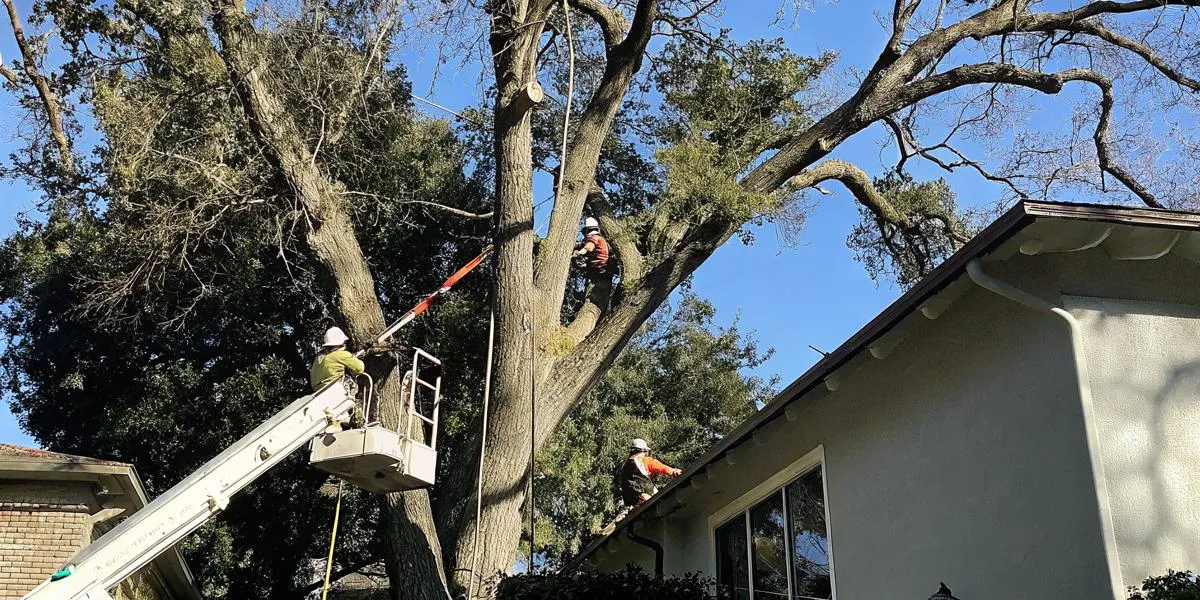
Public trees often grow near power lines and pipes. Pruning or removing these trees takes care so we do not hit city assets. We work with power firms to find and protect these lines. Our crews use modern tools to reach high limbs without getting close to live wires. This stops power outages and keeps the tree healthy. Keeping trees away from lines also lowers the risk of fires during a storm.
Sacramento has laws to protect its trees. The City Code says how public trees should be managed. For example, you need a permit to prune or remove a city tree. These rules help trees stay healthy and grow in value as they age. We help our clients follow these rules and get the permits they need. This makes sure the work is legal and meets all city standards.
Scheduling and clear communication
Good planning helps reduce the impact of tree work on the area. We try to schedule our tasks when traffic is light. This helps avoid delays for cars and shops. We also focus on clear talk with everyone. This includes city staff, shop owners, and neighbors. We let them know when the work will start and end. This builds trust and lets everyone know what to expect.
Our team offers tree services that are fast and you can trust. We keep good records of all the work we do. These records show the type of work, the date, and how the tree looks. This data helps the city track the health of its forest over time. By keeping good notes, we help the city make better choices for its trees.
Choosing a Sacramento municipal tree care partner
Managing trees for a city or public space needs a solid plan. Sacramento has about 6 million trees across the county per USDA research. Many of these grow on public lands like parks and roads. Choosing a partner for municipal tree care Sacramento means finding a team that knows local rules. You need a crew that can handle large jobs while keeping the public safe. A good partner will understand how to manage these assets for the long term.
Public trees are a key part of the local area. While many trees are on private land, about 20 percent of the urban forest are public trees managed by the city. These trees are public assets that serve the whole city. They are special because they often gain value as they get older. Proper care helps these trees live longer. It also ensures they provide shade and clean air for everyone. Regular checks find small problems before they become big risks.
Certified arborist expertise
A good partner should have certified arborists on their staff. These experts know how to spot health issues early. In Sacramento, about 70 percent of trees are in good or excellent condition. Expert care ensures that public spaces remain safe for everyone to use. Arborists also know how to treat pests and diseases to protect city assets. They can give advice on how to save older trees that are part of the city's history. This level of care is key for any public project to succeed.
Modern equipment and safety
Safety is the main part of any municipal work. Teams must use modern tools to trim or remove trees near busy streets. This includes using heavy trucks, chippers, and high-quality safety gear. Using long-term urban forest support helps reduce risks for the city. A professional team will always set up clear work zones. This keeps people and cars away from falling limbs or moving machines. Modern gear also allows crews to reach high branches safely and clean up debris quickly.
Full service and planning
Public tree care involves more than just cutting limbs. It includes planting new trees and reviewing landscape plans for new buildings. A strong partner helps with commercial and government tree services that fit a budget. They work with city staff to create clear scopes of work. This planning helps avoid surprises and keeps costs down. Clear scopes and planned maintenance cycles keep the urban forest strong. Working with a trusted partner makes managing public trees much easier.
A reliable partner will also have a plan for quick response after a big storm. High winds often bring down heavy limbs that block roads. A team that can move fast helps clear paths for emergency crews. This service is a key part of keeping the city running safely. Proper planning ensures that the urban forest continues to grow and thrive. This focus on safety and speed is why choosing the right partner matters so much for the city.
Frequently Asked Questions
Who is responsible for overhanging trees in Sacramento?
People who own land in Sacramento are mostly in charge of trees on their plot. This is true even if limbs hang over a neighbor's fence. If the tree trunk is on the line between yards, both owners may share the work. For trees on city streets, the city will trim them to keep paths safe. You should check where your land ends to find which trees you must manage.
What services does Sacramento Urban Forestry provide?
The Sacramento Urban Forestry team cares for trees on city streets. They plant new trees and trim old ones to keep them healthy. Staff members also take down dead or unsafe public trees. As stated by the City of Sacramento, they also give out permits for work on protected trees. This group helps keep the local trees safe for all people.
What are the regulations for cutting a tree in Sacramento?
You need a permit to cut down or trim city trees and private protected trees. In Sacramento, a tree is protected if it has a large trunk or is a certain kind like an Oak. Owners must ask for a permit before they start any big work. Fines for taking down a tree without a permit can be very high. It is best to hire a pro who knows the city rules.
Can seniors get free tree cutting service in Sacramento?
The City of Sacramento does not offer a free tree cutting service just for seniors. But the city does run the Neighborhood Pruning Program. This plan gives regular care for street trees on a set schedule. For trees on private land, owners often must pay for the work. Some local groups may help folks with low pay, but you must look for programs that are open now.
Ready to request a quote for your municipal tree care?
Public trees that do not get care often can fall during a storm and cause high costs for the city and real risks to people. Starting your tree care plan now helps you avoid large repair bills and makes sure the Sacramento urban forest stays safe and nice for all. Our team uses the right tools to fix small issues today so you can prevent big problems in public spaces with our tree care plans.
Ready to request a quote for municipal tree care? Call (916) 664-7439 to talk to a local arborist. We can schedule your free site visit and provide a full cost plan for your city project today.
Comments