

Tree Pruning Sacramento: A Complete Local Guide
That one heavy branch hanging over your driveway can be a source of constant worry, especially when the wind picks up. Overgrown, weak, or dead limbs aren’t just an eyesore; they are a serious risk to your home, your car, and your family. Proactive tree care is the best way to prevent a costly emergency. By understanding the fundamentals of proper trimming, you can address these hazards before they become a problem. This article will walk you through the essentials of smart tree pruning in Sacramento, helping you protect your property and gain valuable peace of mind.
Key Takeaways
Think of pruning as a long-term investment: Performing regular pruning, especially during the dormant winter season, protects your property from falling branches, keeps your trees healthy, and adds to your home's overall value.
Know your pruning limits: While light trimming on small trees is manageable, avoid harmful mistakes like topping or over-pruning. For any job that involves a ladder, a chainsaw, or large branches, calling a professional is the safest and most effective choice.
Hire a qualified local professional: The best tree care comes from ISA Certified Arborists who are fully insured and have experience with Sacramento's specific climate and trees. Always ask for credentials to ensure you're protecting both your property and your trees.
Why Prune Your Trees in Sacramento?
Thinking of your trees like any other part of your home is helpful. They need regular maintenance to stay in top shape. In Sacramento, pruning is more than just a quick trim; it’s a vital practice that keeps your trees healthy, your property safe, and your curb appeal high. By strategically removing specific branches, you guide a tree’s growth, remove potential hazards, and create a beautiful, lasting part of your landscape. It’s one of the best investments you can make for the long-term health and beauty of your property.
Keep Your Trees Healthy and Strong
Proper pruning is like a wellness check-up for your trees. It removes dead, diseased, or crossing branches that can drain energy and invite pests or decay. This allows the tree to focus its resources on developing a strong structure and lush foliage. For younger trees, this is especially important. The Sacramento Tree Foundation notes that early pruning helps them grow strong and healthy, which can prevent structural problems and save you money down the road. A well-pruned tree is better equipped to handle Sacramento’s hot summers and is more resilient against disease, ensuring it thrives for years to come.
Protect Your Home and Family
Overgrown, weak, or dead branches are accidents waiting to happen, especially during a storm. A single heavy limb falling can cause serious damage to your roof, car, or fence, and poses a significant risk to anyone underneath. Proactive pruning is your best defense. By identifying and removing these hazardous limbs, you secure your property and protect your family. Addressing potential issues early is always more affordable than dealing with the aftermath of a fallen tree. Regular inspections and maintenance are key to preventing emergencies before they occur, giving you peace of mind every time the wind picks up.
Increase Your Property's Curb Appeal and Value
Well-maintained trees can dramatically improve the look of your property. Professional tree trimming shapes your trees to complement your home and landscape, creating a clean, polished appearance. Pruning can open up sightlines, allow more sunlight to reach your lawn and garden, and highlight the natural beauty of the tree itself. This enhanced aesthetic appeal doesn't just make your home more enjoyable; it also adds to its market value. A property with mature, healthy, and beautifully shaped trees is often more attractive to potential buyers, making pruning a smart investment that pays off in both beauty and equity.
Local Factors That Impact Your Trees
Taking care of trees in Sacramento isn't quite the same as anywhere else. Our unique climate, soil, and even local regulations create a specific environment that your trees have to adapt to. Understanding these local factors is the first step toward helping them thrive. When you know what your trees are up against, from our nutrient-thin soil to specific pests that call this area home, you can make smarter decisions about pruning and overall care. It also means staying on the right side of local laws designed to protect our beautiful urban forest. Let's look at what every Sacramento tree owner should know.
How Sacramento's Soil and Pests Affect Tree Healty
Our region's soil can be a bit challenging for trees, as it often lacks the essential nutrients they need to flourish. If you've noticed your trees looking a little lackluster, fertilization might be the answer to give them a helping hand. Beyond the soil, you'll also want to keep an eye out for common tree pests in Sacramento, like borers, aphids, and scale. Watch for tell-tale signs of an infestation, such as thinning or curled leaves, a sticky sap-like substance on or below the tree, or fine, sawdust-like droppings near the trunk. Catching these issues early can make all the difference in protecting your tree's long-term health.
Understand Local Tree Protection Rules
Before you start a major pruning project, it's important to know that not all trees are fair game. Many of our beautiful native oak trees in Sacramento and the surrounding areas are protected by local rules. This means that removing them or even performing heavy pruning could require a special permit from the city. These regulations are in place to preserve our community's valuable tree canopy for everyone to enjoy. To avoid any surprises or potential fines, it's always a smart move to check with your local city or county office, or consult with a professional arborist who understands the specific ordinances in your neighborhood.
When Is the Best Time to Prune Trees in Sacramento?
When it comes to pruning your trees, timing is just as important as technique. Cutting branches at the wrong time of year can put unnecessary stress on your tree, making it more vulnerable to pests and diseases. For most trees in the Sacramento area, the best time for a trim is during the winter. This is when the tree is dormant, essentially resting for the season, which allows it to handle the pruning process much better.
Think of it as a well-timed haircut. You wouldn't want one right before a big event, and your trees don't want to be pruned when they're busy growing. Pruning during dormancy helps the tree heal from the cuts and conserve energy for a burst of healthy growth in the spring. While winter is the go-to season, the exact timing can vary slightly based on the specific type of tree you have. Understanding this simple calendar can make a huge difference in keeping your trees healthy and beautiful for years to come.
Why Winter Is the Ideal Pruning Season
Winter is the perfect time for pruning because your deciduous trees are dormant, or "sleeping," and have dropped their leaves. According to the Sacramento Tree Foundation, this leafless state makes it much easier to see the entire branch structure. You can clearly identify which branches are crossing, weak, or growing in the wrong direction, allowing for more strategic and effective cuts.
Beyond better visibility, pruning in winter is also healthier for the tree. Since the tree isn't actively growing, it experiences less shock from the pruning. The cold temperatures also mean that common tree pests and disease-causing fungi are inactive, so your tree’s fresh cuts are less likely to get infected. This gives the wounds plenty of time to seal over before the warmer, wetter spring weather arrives.
A Pruning Calendar for Common Local Trees
While the "prune in winter" rule is a great starting point, it’s helpful to know the specifics for some of the trees you see every day around Sacramento. Different species can have slightly different needs, and knowing them can help you provide the best possible care. Below is a quick guide for a few common local trees. Remember, this is general advice, and a tree’s age, health, and location can all play a role in its ideal pruning schedule.
Valley Oak
As a California native, the Valley Oak thrives when pruned during its dormant period in the winter. This timing is especially important for oaks because it minimizes the risk of attracting pests that can spread serious diseases like oak wilt. Pruning when the tree is leafless allows for a clear view to shape its beautiful, sprawling canopy and remove any dead or weak limbs safely.
Red Maple
Red Maples also do best with winter pruning. If you prune them in the late winter or early spring as temperatures start to rise, they tend to "bleed" a watery sap from the cuts. While this isn't harmful to the tree, it can look alarming. Sticking to a mid-winter pruning schedule avoids this messy sap flow and ensures the tree’s energy is focused on healing.
Eucalyptus
Eucalyptus trees are evergreens, so they don't lose their leaves, but they still benefit from pruning in the winter when their growth slows down. It’s important to be careful with these trees, as they can react poorly to heavy pruning. A light touch is often best, focusing on removing dead branches or thinning the canopy for better light and air circulation. For a species like this, professional tree trimming can ensure it's done correctly.
How to Prune Your Trees Correctly
Pruning a tree might seem as simple as grabbing a saw and cutting off a few branches, but there’s a right way and a wrong way to do it. Correct pruning is a skill that helps your trees grow strong, stay healthy, and look beautiful. When done improperly, it can cause permanent damage, invite disease, and create safety hazards. Think of it as a regular health checkup; the goal is to remove only what’s necessary to improve the tree’s overall structure and vitality.
For small, young trees, a little light pruning can be a manageable DIY project that sets them up for a long, healthy life. However, as trees mature, the work becomes more complex and dangerous. Knowing the basic techniques is just as important as recognizing your own limits. This guide will walk you through the essential methods for proper pruning, highlight the common mistakes you’ll want to avoid, and help you understand when it’s time to put down the tools and call in a professional. Your trees will thank you for taking the time to learn the difference.
Learn the Essential Pruning Techniques
Proper pruning starts with understanding a few key principles. Giving young trees a good structural pruning helps them develop a strong form that will prevent problems later on. The best time for this is during the dormant season in winter when the tree has no leaves, making it easy to see the entire branch structure. A critical rule to follow is to never remove more than 25% of the tree's canopy in a single year.
When you make a cut, always prune back to a side branch that is at least one-third the diameter of the branch you are removing. For larger limbs, you’ll want to use a three-step process to prevent the bark from tearing. These essential pruning techniques ensure the tree can heal properly and continue to thrive.
Avoid These Common DIY Pruning Mistakes
Even with the best intentions, a few common mistakes can set your tree's health back significantly. Knowing what not to do is just as important as knowing what to do. Many of these errors come from outdated advice or a simple misunderstanding of tree biology. By avoiding these pitfalls, you can prevent long-term damage and ensure your pruning efforts are actually helping, not hurting, your trees.
Topping and Flush Cuts
Topping, or cutting off the tops of main branches to stubs, is one of the most harmful things you can do to a tree. It creates weak, fast-growing sprouts and leaves large wounds that are susceptible to rot. Similarly, avoid making flush cuts where you remove a branch right against the trunk. This removes the branch collar, a specialized area of tissue that is essential for closing the wound. A proper cut leaves the collar intact, allowing the tree to heal itself effectively.
Lion-Tailing and Over-Pruning
Lion-tailing is the practice of stripping all the inner branches and foliage from a limb, leaving leaves only at the very end. This might look tidy, but it displaces weight to the tips of the branches, making them more likely to break. It also removes a significant portion of the tree's food-producing leaves. Always remember the 25% rule: removing more than a quarter of a tree’s living canopy in one year can stress the tree, reduce its vigor, and make it vulnerable to pests and disease.
Misusing Pruning Sealers
You may have heard that you should apply tar or paint to pruning cuts to help them heal, but this is a myth. Pruning sealers actually do more harm than good. They trap moisture against the wood, which can encourage the growth of fungi and prevent the tree’s natural healing process. Trees have their own mechanisms for compartmentalizing and closing wounds. The best thing you can do after making a clean, proper cut is to simply let the tree take care of itself.
Know When to Call a Professional Arborist
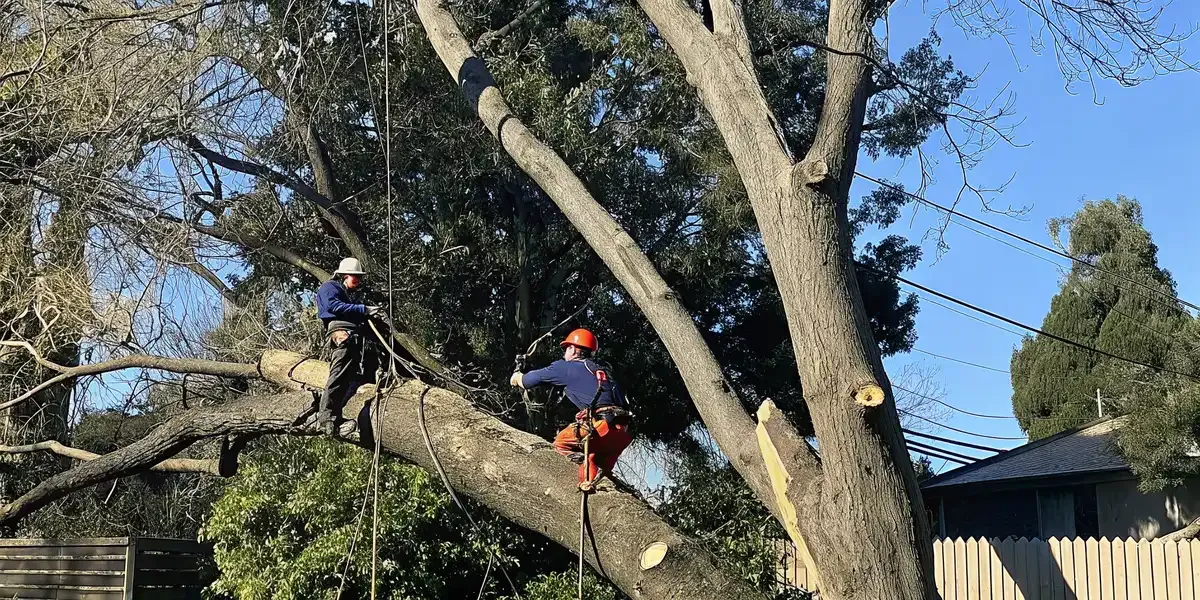
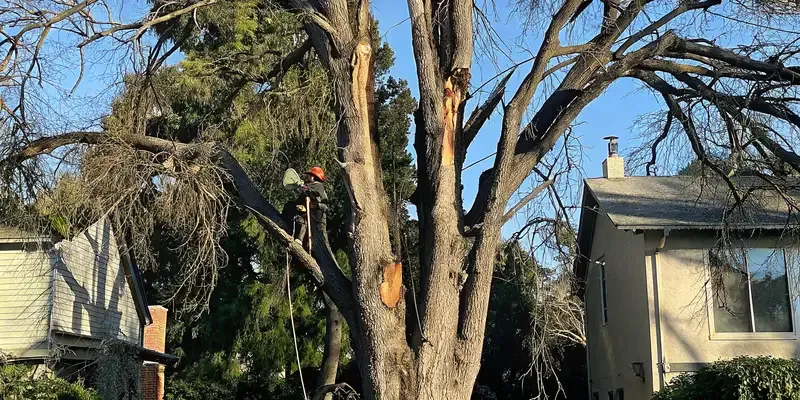
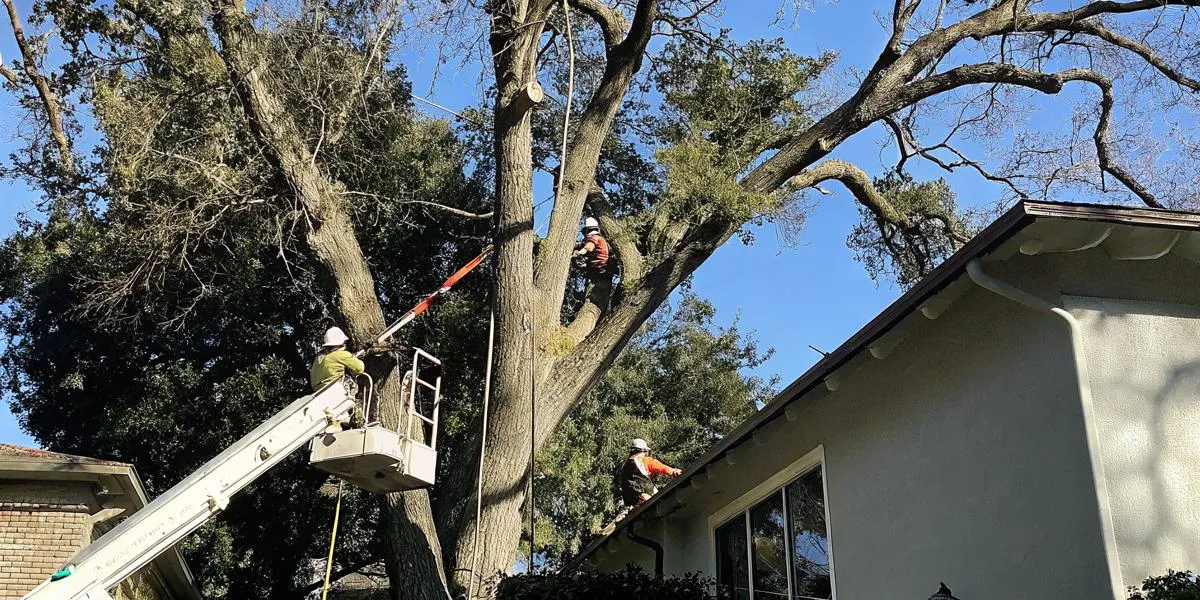
While you can handle light pruning on small, young trees, working on mature trees is a different story. Large limbs, significant heights, and the need for specialized equipment make pruning large trees a job best left to the experts. A professional arborist has the training to assess your tree’s health, identify which branches need to be removed for structural integrity, and perform the work safely without damaging your property or the tree itself.
If a branch is too high to reach from the ground, requires a chainsaw, or is near power lines, it’s time to call for help. For the health of your mature trees and your own safety, it’s always better to hire a certified arborist. We have the expertise and equipment to keep your Sacramento trees healthy and beautiful for years to come.
What Does Tree Pruning Cost in Sacramento?
Understanding the potential cost of tree pruning helps you plan and budget for proper tree care. While every project is unique, knowing the typical price range and the factors that influence it can give you a clear picture of what to expect. Think of pruning not as an expense, but as an investment in the health, safety, and beauty of your property. A well-maintained tree is an asset, and proactive care is always more affordable than reactive emergency services. When you get a quote from a professional arborist, you’re paying for their expertise, specialized equipment, and the safety measures needed to protect both your property and the crew. Here’s a breakdown of what goes into the cost of professional tree pruning in the Sacramento area, so you can feel confident in your decision to care for your trees.
Typical Costs for Professional Pruning
When you're budgeting for tree care, it helps to have a ballpark figure in mind. In Sacramento, professional tree pruning typically costs between $200 and $1,000. While the national average for tree trimming is around $460, local prices depend on the specifics of the job. For smaller ornamental trees, you might see quotes in the $200 to $400 range. Larger, more mature trees that demand more time, skill, and equipment usually fall between $300 and $800. This is just a starting point, of course, as the final price will depend on the unique needs of your trees and property.
Factors That Determine Your Final Price
So, what exactly goes into that final number on your quote? Several key elements influence the price. First is the tree's size and type; a towering valley oak requires a different approach than a small red maple. Accessibility is another big one. If a tree is in a tight spot near your house or tangled with power lines, our team needs specialized equipment and extra safety precautions. The tree's overall health also plays a role, as a diseased or damaged tree might need more delicate, intensive work. Even the time of year can influence cost, as scheduling service during the off-peak season is sometimes more budget-friendly than during the busy spring and summer months.
How Regular Pruning Can Save You Money
Investing in a regular pruning schedule is one of the smartest ways to manage your long-term tree care costs. Proactive pruning helps you avoid expensive problems down the road. By removing dead or weak branches, you reduce the risk of them falling and causing costly damage to your home, car, or fence. The International Society of Arboriculture notes that proper, routine care also promotes strong, healthy growth, making your trees less susceptible to diseases and pests that could require expensive treatments or even removal. Well-maintained trees also enhance your home's curb appeal, which can directly translate to higher property value. It’s a simple equation: a little investment now prevents a much bigger expense later.
How to Choose the Right Tree Pruning Service
Choosing the right company to care for your trees is a big decision. The right team can add years to your tree’s life and beauty to your property, while the wrong one can cause lasting damage. To make sure you find a true professional, focus on these key qualifications.
Look for ISA Certification and Full Insurance
First things first, let’s talk credentials. When you’re vetting a tree service, make sure their team includes ISA Certified Arborists. This isn't just a fancy title; it means they have passed rigorous exams and have proven expertise in tree science and safe practices. Just as important is confirming the company is fully insured. This protects you, your home, and your finances from any liability if an accident happens on your property. Don't be shy about asking for proof of both certification and insurance. A reputable company will be happy to provide it.
Prioritize Experience with Sacramento's Trees
Sacramento’s environment is unique, and your trees know it. Our hot, dry summers, specific soil types, and local pests mean that trees here have their own set of challenges. That's why hiring a team with deep local experience is so important. An arborist who understands Sacramento’s ecosystem will know exactly how to prune your Valley Oak to encourage strong growth and how to protect your Red Maple from common diseases. They bring a level of localized knowledge that you just can't get from a generic service, ensuring your trees get the specific tree health care they need to thrive in our region.
Partner with JT&M for Expert Tree Care
Finding a company that checks all these boxes can feel like a tall order, but that's where we come in. At JT&M Tree Management, we pride ourselves on providing expert, professional tree care for our Sacramento neighbors. Our team is composed of skilled, certified arborists who combine years of local experience with a passion for tree health. We are fully insured and equipped to handle everything from precise pruning and tree trimming to safe tree removal and stump grinding. Our goal is to partner with you to keep your trees healthy, beautiful, and safe for years to come.
Frequently Asked Questions
My tree looks perfectly healthy. Why should I spend money on pruning it?
Think of pruning as preventative care for your trees. Even a healthy-looking tree can have crossing branches, hidden weak spots, or a structure that could cause problems down the road. Regular pruning guides a tree’s growth, making it stronger and more resilient to storms. It’s an investment that helps you manage small issues before they become large, expensive emergencies, ensuring your tree stays a beautiful and safe part of your property for a long time.
I missed the winter pruning window. Is it too late to prune my tree?
While winter is the ideal season for major pruning, you haven't necessarily missed your chance. Removing dead, broken, or hazardous branches can and should be done at any time of year to keep your property safe. However, for significant structural pruning, it's often best to wait for the next dormant season. A professional arborist can assess your specific tree and give you the best advice for its health and your goals.
Is it okay to prune my own trees, or should I always hire a professional?
Handling light pruning on small, young trees that you can reach from the ground is a great way to guide their early growth. However, you should always call a professional for larger jobs. If the work requires a ladder or a chainsaw, or if the branches are anywhere near power lines, the risk of serious injury or property damage is too high. A certified arborist has the training and safety equipment to do the job correctly and safely.
Why does the cost of tree pruning vary so much?
The final price for pruning depends on several factors unique to your tree and property. The tree's size is the biggest factor; a tall, mature oak requires more time and equipment than a small ornamental maple. Accessibility also plays a large role. A tree in a tight space next to your house is more complex to work on than one in an open yard. The tree's overall health and the specific type of pruning it needs will also influence the final cost.
How do I know if my oak tree is protected and needs a permit to be pruned?
Many native oak trees in Sacramento and surrounding areas are protected by local ordinances, which means significant pruning or removal requires a permit. The rules can be specific to your exact location. The easiest way to be sure is to consult with a certified arborist who is familiar with the local regulations. A professional service can determine if a permit is needed and can often manage the application process for you, preventing potential fines and ensuring the work is done correctly.
Comments