

Sacramento Tree Health Weather and Safety
Request a tree health assessment from JT&M Tree Management before heat or storms turn hidden damage into a property hazard.
Understanding Sacramento Valley climate stress is the first step in keeping a healthy, safer canopy throughout the year.
Sacramento tree health weather: What trees face
Sacramento tree health weather brings unique tests for every yard. Local trees must live through very hot, dry summers and wet, windy winters. These shifts in weather put a heavy load on tree health. Long dry times and sudden storms can cause deep stress. Over time, this stress can lead to tree death or falling limbs. Early care helps trees stay strong through these cycles.
Extreme summer heat and dry spells
The Central Valley heat is often hard on local trees. In our area, high heat and lack of rain are the top reasons trees die. Most trees suffer more from high heat than from low water. Research from the USDA Forest Service shows that heat waves can kill many tree types. Only oaks seem to handle long dry spells with more ease.
Long dry times can stop a tree from growing as it tries to stay alive. This makes the tree weak against bugs and sickness. It is vital to water your trees well, even when there are water limits. Deep, slow watering helps roots reach far into the ground. Stressed trees also have a higher risk of pests and disease. To keep your trees safe, you can use professional tree health assessment. Pros can find signs of water stress before they lead to big problems.
City life adds more stress to this heat. Dark roads and stone buildings soak up the sun all day. They stay hot long after the sun goes down. This keeps the trees from cooling off at night. This "heat island" effect can dry out soil and roots very fast. This keeps roots from getting the rest they need to stay healthy.
Winter storms and high winds
When winter comes to Sacramento, it brings heavy rain and strong winds. These storms are good for water levels but bad for tree structure. Large storm events, like atmospheric rivers, cause most tree failures in the city. The EPA tracks these storms because they create risks for property and people.
High winds are very dangerous when the ground is soft from rain. Wet soil cannot hold roots as tightly as dry soil. If a tree has a weak trunk or poor roots, the wind can push it over. Regular checks can find these weak spots early. Using guide to Sacramento tree service helps you build a plan for storm safety. Safe trees protect your home and your family during the worst weather.
Building strength through care
Trees need help to grow strong enough to face the weather. Young trees are at the most risk during their first eight years. They need deep watering and the right amount of mulch. Mulch helps the soil stay cool and hold onto water. This simple step can save a tree during a long heat wave. Proper mulch helps in several ways:
It stops the sun from baking the roots.
It keeps the dirt wet for a longer time.
It keeps the roots at a steady heat.
It acts like a shield against the wild swings of local weather.
Pruning is also a key part of weather safety. Trimming away dead or weak limbs lets wind blow through the tree more easily. This lowers the "sail effect" that can snap a trunk. Arborists use special gear and expert skills to do this work safely. By taking these steps now, you help your trees live for a long time. Early care is the best way to handle the tough Sacramento weather.
How do heat and drought weaken Sacramento trees?
Sacramento's hot, dry summers put a strain on our local trees. High heat and low water levels work together to harm them. Research shows that heat and drought strength are the main things that drive tree death. For many trees, the heat is even more deadly than the dry ground. Sacramento tree health weather patterns can vary, but the stress on the trees remains high.
Impact on root systems and soil
A tree's health starts in the soil. When dry times last for a long time, the ground turns hard. This makes it tough for roots to pull in the water and food they need to stay strong. Dry soil also stops roots from growing deep into the earth. This lack of water leads to tree health issues that can last for years.
Owners can help by using mulch around the base of their trees. Mulch helps the soil stay moist and keeps roots cool during hot days. It also protects the ground from big heat shifts. Good soil moisture is the best way to keep a tree strong when the weather gets harsh. You should water deeply and not too often to help roots grow.
Leaf scorch and branch stability
Extreme heat can cause physical damage to the leaves. You might see leaf scorch, which looks like brown or dry edges on the leaves. Trees may also drop their leaves early to save water. While this helps the tree stay alive, it also stops the tree from making food. This cycle weakens the tree's frame over time.
Heat can also make branches more likely to break. Stressed trees often put survival before growth. This means they may stop sending food to some limbs. Weaker branches are a big risk during Sacramento's severe wind events. Following Sacramento tree care basics can help you find these risks before they cause damage.
Pest weakness and disease
A weak tree is an easy target for bugs and germs. When a tree is stressed by heat, it cannot defend itself well. Many pests and diseases take a lead on water-stressed trees to cause more harm. In Sacramento, we often see bark beetles move in after a long heat wave.
Regular check-ups can find these problems early. Our team offers help for weather-stressed trees to help your trees recover. Finding signs of pests early can save a tree from dying. It is much better to act now than to wait until the tree is too sick to save. Look for these warning signs in your yard:
Wilting leaves that do not perk up at night.
Brown or yellow spots on the leaf edges.
Early leaf drop during the summer months.
Cracks in the bark or holes from boring bugs.
Dead or dying branches at the top of the tree.
Why do winter rain and wind increase tree hazards?
Winter storms in Sacramento bring heavy rain and high winds that test the strength of every tree. When the soil becomes soaked, it loses the firm grip it usually has on tree roots. This creates a serious risk for tree failure in urban areas like Sacramento, especially during atmospheric rivers. Trees that were stable in dry weather may suddenly tilt or fall when the ground turns to mud.
The danger of saturated soil
Heavy rain does more than just water the lawn. It fills the spaces in the soil with water, which makes the ground soft and heavy. Large trees rely on solid soil to stay upright. If the soil is too wet, the weight of the tree can pull the roots right out of the ground. Proper local tree service planning guide include checking the ground for signs of root lifting after big storms. Adequate soil moisture is critical for tree survival, but too much at once can lead to structural failure ucanr.edu.
How wind loads affect branches
Wind acts like a giant hand pushing against the canopy of a tree. In the winter, deciduous trees have no leaves, which helps wind pass through more easily. However, evergreen trees keep their leaves and catch the wind like a sail. This force puts massive stress on branch attachments and the main trunk. Identifying tree hazards after a storm requires a close look at these spots to find cracks or splits fs.usda.gov. High wind events are a top cause of tree failure in cities.
Comparing weather risks and tree safety
Understanding how weather impacts Sacramento tree health care can help you stay safe. Different conditions create different problems for your property.
Safe urban tree management means preparing for these winter events before they start. Regular pruning can help wind move through the canopy and reduce the load on the trunk. Well-maintained trees are much less likely to cause damage when the next big storm hits Sacramento.
Contact JT&M for emergency tree service if a storm leaves a hanging limb, sudden lean, or damaged tree near people or property.
A seasonal tree care plan for Sacramento properties
Sacramento tree health weather patterns change often between wet winters and hot summers. You need a clear plan to protect your trees from these shifts. A routine check of your yard helps you find small issues before they become big risks. This proactive care keeps your trees strong and your yard safe for everyone.
Spring growth and health checks
Spring is the best time to look for damage from past winter storms. You should check for broken limbs or new cracks in the trunk. Look at the base of each tree to see if the soil is lifting. These signs can mean the tree is not stable, and it is also a good time to check for new leaves that look pale or small.
This is when you can set up tree stress diagnosis and care to treat common pests. Many bugs start their life cycle in the spring and can hurt new growth. Early spring care prepares your trees for the coming heat. Clean your tools before you use them to stop the spread of tree disease.
Summer heat and water care
Extreme heat and dry soil are the main causes of tree loss in the Sacramento area. You must watch for signs of water stress like wilting or brown leaves. Combined drought and heat intensity are the main causes of tree death as per the USDA. High heat can hurt a tree even if it has some water.
Deep watering is better than light daily sprays and should reach the deep roots to help the tree stay stable. Use a layer of wood mulch to keep the soil cool and wet. Proper irrigation practices during a drought are needed for long-term health. Check your trees often during heat waves for any leaf drop.
Inspect your trees in early spring for broken branches or trunk cracks caused by winter wind.
Apply a thin layer of wood mulch around the base of the tree to save soil moisture in late spring.
Set up a deep watering schedule before the first major heat wave hits the valley in June.
Check for pests and disease in late summer when trees are most stressed by the local heat.
Find any dead or weak limbs in early fall to prepare for upcoming winter rain and wind.
Fall and winter storm safety
Winter storms bring high winds that can cause tree failure in urban areas. Proper pruning in the fall reduces the weight on heavy branches. This helps the wind pass through the tree canopy without breaking limbs. Following tree service foundations for Sacramento properties helps you know which trees need help, like those near your house or power lines.
If a tree looks unstable after a storm, stay back and call for an expert. Do not try to cut large hanging limbs yourself. Expert assessments focus on root health and trunk strength to ensure human safety and property protection. Regular care makes your trees less likely to fail during a storm event, which makes safety the most important part of your plan.
When should weather-related tree damage be treated as urgent?
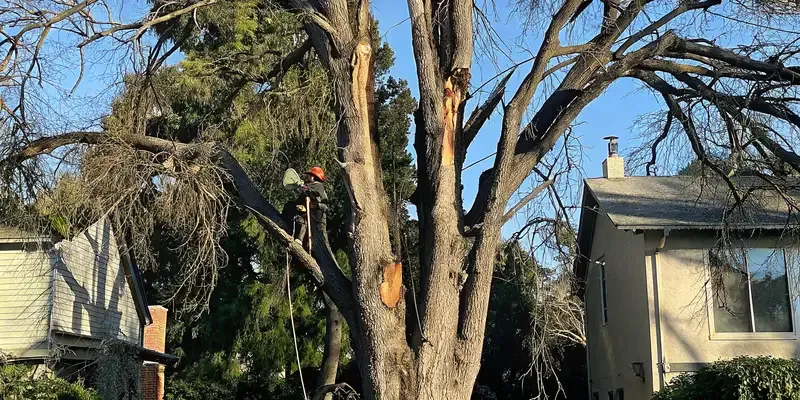
Severe storms in the Sacramento area often leave behind clear signs of risk. High wind events, mostly during heavy storms, can break large limbs or shift a tree's base. If you see a limb hanging in the canopy, it is a major safety threat. This is called a "widowmaker" because it can fall without warning. Cracks in the trunk or main branches also need quick care. These cracks show that the tree's structure is weak and may fail soon.
Signs of immediate hazards
A sudden lean is a major red flag for property owners. If a tree was straight but now tilts, the roots may be failing. Look for lifted soil or cracks in the ground at the base. This "root plate movement" means the tree could fall at any time. Urban trees present many risks to human safety and buildings based on their health and size. You should get an expert check if you spot these issues after a storm.
Heat waves can also cause urgent issues in our region. Sacramento's climate, defined by hot, dry summers, directly impacts tree health. Extreme heat can cause "summer branch drop," where large, heavy limbs fail without warning. Signs of water stress include leaf wilting, browning, and branch dieback. While these may not seem urgent, they can lead to sudden branch loss. Quick help helps keep the Sacramento tree health weather strength of your landscape.
Risks to safety and property
Not all damage is an urgent matter, but its place matters most. A dead branch over a sidewalk or driveway is more dangerous than one in an open field. Well-kept trees are less likely to cause property damage during storms. But when high winds hit, even healthy trees can face extreme stress. If a tree sits near power lines or your home, any new damage is urgent. You can learn more about these risks in our complete Sacramento tree service guide guide.
Finding tree hazards after a storm requires a close look at branch joints and roots. You should check for split wood where branches meet the trunk. This type of damage can get worse if left alone. It may lead to a total failure of the branch. Expert help is needed to remove these pieces safely. This keeps your yard safe for your family and pets. Proactive tree care is a key part of responsible home care.
Expert urgent response
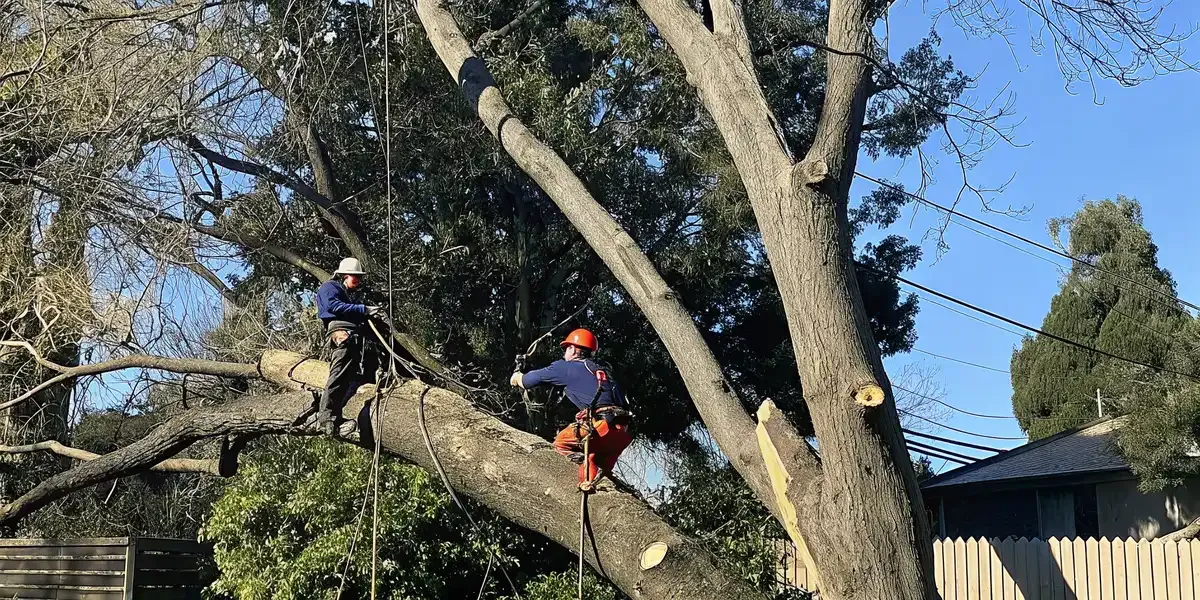
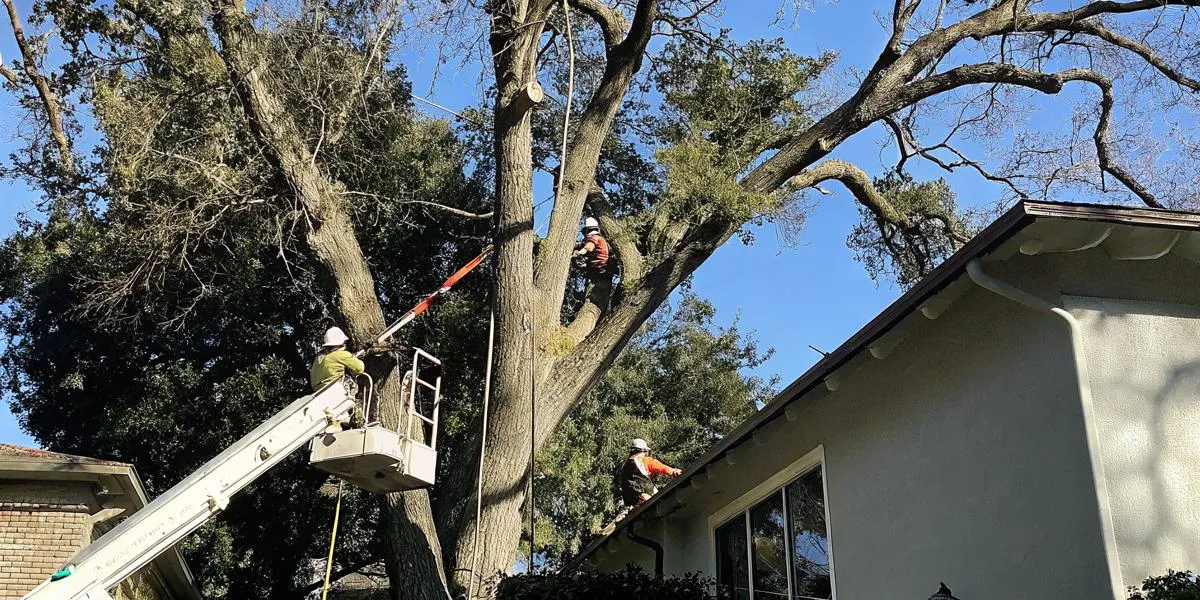
Urgent tree services are critical during the storm seasons in Sacramento. Expert arborists use special gear to manage trees safely after severe weather. They can reach high limbs that are hard to cut from the ground. They also know how to take down leaning trees without hitting your house. This skill is vital when a tree is already unstable and poses a threat to your property.
Early checks are key to restoring tree health after weather stress. Our team can tell if a tree can be saved or if it must go. We use modern tools and preventive care for local trees to make sure every job is done with care and safety. If you are unsure about a tree's safety, ask for an expert visit. This step helps prevent big losses and keeps your local trees strong. Proper care ensures your urban forest stays healthy for years to come.
Schedule proactive tree health care to prepare vulnerable trees for Sacramento's next season of heat, rain, and wind.
Frequently Asked Questions
How do extreme weather conditions in Sacramento affect tree health?
Extreme heat and long dry spells in Sacramento can cause trees to lose water too fast. This stress often leads to branch death and makes trees more likely to get pests. According to the USDA, these conditions can harm the health of local trees. High heat can also cause the soil to dry out. This stops roots from getting the food they need to stay strong and grow well in the city.
What are the common signs of stressed trees in Sacramento?
You can find tree stress by looking for wilting leaves or leaf drop that happens too early. Leaves may also turn brown or yellow at the edges. Research from UC ANR shows that thirsty trees have a higher risk of bugs and disease. If you see branches dying at the top or outer parts of the tree, it may be a sign of long-term harm. This often happens due to high heat or lack of water.
How can I identify tree damage after severe wind events in Sacramento?
After a storm, check your trees for cracked trunks or branches that are hanging loose. High winds during big storms are a major cause of tree fall in cities. The EPA notes that heavy rain and wind can weaken how a tree stands in the dirt. Look for roots that are lifting out of the ground or soil that has moved at the base of the trunk. These are clear signs of danger.
What types of trees are best suited for Sacramento's climate extremes?
Planting a mix of different tree types can help your yard handle local weather better. Trees that can live through both high heat and dry times are the best choice for the Sacramento area. According to the USDA, diverse city forests are better at handling weather changes and pests. Choosing trees that fit the local area ensures they can grow deep roots and stay alive during hot and dry California summers.
Ready to protect your trees from the next Sacramento storm?
If you wait for a storm to hit, you will face high costs for tree removal and home repairs. By setting up an expert site check today, you can find hidden issues before they lead to a branch failure. Our tree experts help your trees stay strong so that you can enjoy your yard without fear of the weather. You can also view our JT&M tree health care solutions to learn how we keep your yard safe all year. Taking care of your trees now ensures they do not become a threat to your family or your budget.
Ready to request a tree care quote? Call 916-664-7439 to request a tree care quote and keep your Sacramento property safe.
Comments