

Residential Tree Care Sacramento Checklist
Residential Tree Care Sacramento Checklist
Heavy storms in the Sacramento Valley often drop large branches on residential rooftops. These hazards are usually preventable with seasonal pruning and health checks. These steps ensure your trees thrive and your home stays protected.
Managing your yard does not have to be a guessing game for busy homeowners. You can stay on top of care and avoid stress by following a Residential tree care Sacramento checklist by season. The best way to plan your work is with a
Residential tree care Sacramento checklist by season
Sacramento has a unique climate with very hot summers and wet winters. This makes steady care for your yard trees very needed to keep them safe and healthy. Using professional tree health care early in the year can help you find issues before they get worse. Following a set plan each season helps your trees stay strong all year long.
Spring Health Review. Walk through your yard and look for cracks, pests, or disease. Catching these small issues early saves you money and protects your home.
Summer Deep Watering. Set up a deep soaking plan for the dry months. Trees need water to reach the deep roots to stay healthy during a heat wave.
Wood Mulch Use. Spread a three-inch layer of wood chips around the tree base. This keeps the soil wet and cool while adding nutrients back into the dirt.
Fall Storm Prep. Check for weak limbs that could break in high winds. Trim back any branches that are touching your roof or hanging over power lines.
Winter Dormant Pruning. Shape the tree while it is resting. This is the best time to remove crossing branches and encourage a strong, safe structure.
Expert Check-up. Ask an expert to check your trees once a year. They can spot hidden problems that most homeowners might miss until it is too late.
Hydrating trees in the Sacramento heat
As the weather warms up, trees in our area need plenty of water to survive. Large trees can drink hundreds of gallons of water in a single day during a heat wave. To help keep moisture in the soil, you should add a layer of wood mulch around the base of the tree. This helps the roots stay cool and stops weeds from growing. Be sure to keep the mulch a few inches away from the trunk to prevent rot. Deep watering and mulching are key parts of residential tree care Sacramento homeowners should plan for each year.
During a drought, you may need to water your trees more often. Young trees need more help than old ones to grow strong roots. You should soak the ground slowly so the water reaches deep into the earth. Avoid light sprays that only wet the grass on top. If you see leaves turning brown or curling, your tree might be under too much stress. Keeping a steady schedule will help your trees stay green and strong even in July and August.
Storm safety and dormant pruning
Fall in Sacramento brings wind and rain that can put stress on weak limbs. You should clear away fallen leaves and old fruit to keep pests from hiding near the trunk. This is also a good time to check for heavy branches that might fall during a storm. If you see large cracks or hanging limbs near your home, you may need emergency tree services right away. It is much safer to fix these problems in the fall than to wait for a winter storm to cause damage.
Winter is the best time for most pruning because trees are dormant and have no leaves. This allows experts to see the branch structure clearly and make better cuts. According to the University of California, pruning helps correct structural weaknesses. You should look for branches with wide angles of attachment to ensure they are strong. For safety, keep lower limbs at least eight feet above sidewalks and ten feet above streets. Focus on removing dead or diseased wood to keep the tree in top shape.
How do you inspect a residential tree safely?
Checking your trees is a big part of residential tree care in Sacramento. You can spot many risks from the ground with no tools. Routine checks help you find health flaws before they turn into big problems. Look at each tree from top to bottom two times a year. You should also check them after heavy wind or rain.
Check the trunk and roots
Start your search at the base of the tree. Look for signs of rot or damage on the bark. Deep cracks or big spots of missing bark can show a weak frame. Check the soil near the roots for any lifting or fungus growth. Healthy roots keep the tree steady in the dirt. If the tree starts to lean more than usual, it may have a root issue that needs professional tree health care to fix.
Look at branches and leaves
Next, look up at the top for dead or broken limbs. These can fall at any time and hit people or cars. Look for branches that cross or rub on each other. These spots can lead to wounds and pests. It is also good to check for "v-shaped" joints where branches meet the trunk. These spots are often weak. Scientific research shows that fixing these frame issues early helps the tree stay strong.
Spot urgent hazard signs
Some tree problems need fast help. Watch for large hanging branches or trees that lean over your home. If you see big holes in the trunk or lots of dead wood in the top, the tree might be failing. Heavy storms in the Sacramento area can cause safe trees to become hazards. In these cases, you should call for emergency tree services right away. A skilled team can safely remove the danger and protect your home.
Watering and mulch for Sacramento's dry season
The goal of deep watering
Sacramento summers bring high heat and very little rain. For residential tree care Sacramento owners should focus on keeping roots cool and wet. Good watering and mulch are the two best ways to guard your trees during the long dry months.
Without enough water, trees can get weak. They may also face pests or rot. Many people make the mistake of watering trees like they water a lawn.
Light, quick sprays only reach the top few inches of dirt. Trees need deep watering to reach the full root system. You should aim to soak the soil to a depth of 12 to 18 inches.
This helps roots grow deep and strong. It keeps the tree safe in wind and heat. If you have a young tree, check the dirt often.
New trees need more help to grow. Even old trees need extra water when the heat stays high for many days. If a severe drought is likely, you might need to change how you prune to help the tree live.
Using mulch to hold water
Good water use makes sure your trees stay a part of your yard for a long time. Mulch acts like a coat for the soil. It keeps the ground cool and stops water from drying up too fast.
Put a layer of wood chips or plant-based mulch around the base of the tree. A layer that is two to four inches deep is mostly best. This helps the dirt stay wet.
It also adds food for the tree as the mulch breaks down over time. You must be careful with where you put the mulch. Never pile mulch against the main trunk of the tree.
Some call this "volcano mulching" and it can trap water against the bark. This leads to rot and mold. Instead, spread the mulch in a wide circle like a donut.
Keep the mulch a few inches away from the trunk so the wood can breathe. Using mulch the right way is a key part of professional tree health care.
Signs of water stress in local trees
It is good to watch your trees for signs of thirst. Trees cannot tell you when they are dry, but they will show it in their leaves. Look for leaves that wilt, curl, or turn yellow.
In some cases, the tips of the leaves may turn brown or look burnt. If you see these signs, your tree likely needs a deep soak right away. At times, a tree will drop leaves early to save water.
This is a sign that the tree is trying to stay alive. You can check the soil by digging a few inches down. If the dirt is bone dry, it is time to water.
Routine checks help you catch problems before they cause lasting harm. If you are not sure about your tree, a pro can help you set up a plan that works for your yard.
When should Sacramento homeowners prune trees?
Pruning is a big part of professional tree health care for your yard. It helps your trees grow strong and stay safe. But knowing when to do it yourself and when to call a crew is key. Most light tasks like removing small dead twigs are safe for you to handle. Larger jobs or high branches need a team with the right tools.
Know which tasks are safe for you
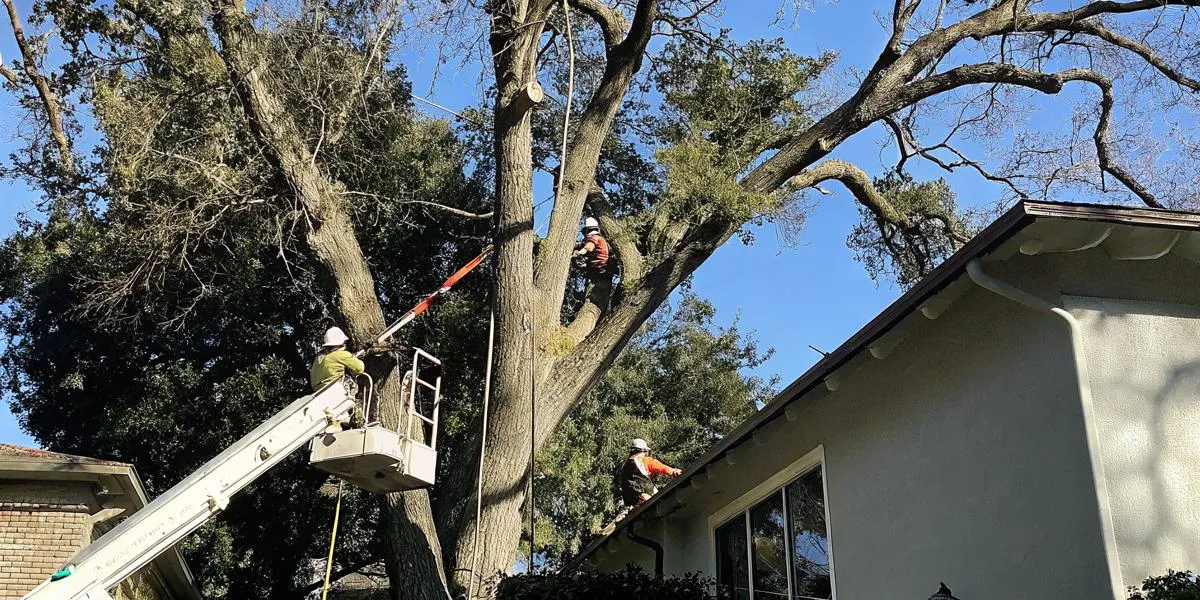
Homeowners in Sacramento can often take care of small pruning needs on young trees. You should focus on cuts that you can reach from the ground. If you must use a ladder or a chainsaw, it is time to stop. These tools can be risky without training. Calling for emergency tree services is much better than risking a fall or injury from a heavy limb.
Always check your tools before you start. Use sharp hand pruners for thin stems. Clean blades help prevent the spread of tree pests. If a branch is larger than two inches thick, let a pro handle the work. This keeps you safe and protects the tree from large wounds that might not heal well.
Prioritize clearance and health
Trees near paths and roads need regular care. Branches over a sidewalk must be at least eight feet high. If they hang over a street, they should be eight to ten feet above the road. This rule helps keep the path clear for people and cars. You can find more details on these rules from University of California tree experts. Keeping trees clear of signs and lights is also a vital part of residential tree care Sacramento people should keep in mind.
Watch for signs of damage or disease. Dead wood can fall and hurt someone or damage your home. Removing these parts helps the tree send food to its healthy limbs. Do not prune a new tree right after you plant it. Most young trees need their leaves to help their roots grow strong. Only remove broken or rubbing stems during the first year of a tree's life.
Use the right cuts for strength
Good pruning helps a tree grow into a solid shape. You want to keep branches that have wide angles where they join the trunk. These wide gaps are much stronger than narrow ones. Strong trees can better handle the winds and storms we see in the valley. Space out the main branches so they have room to spread. They should be about 18 to 24 inches apart along the trunk.
Never "top" your trees by cutting off the whole upper part. This practice causes weak new growth that can break easily. It also leaves the trunk open to rot and pests. Instead, use thinning cuts to reduce the weight of a heavy branch. These cuts help the tree keep its normal form while staying safe. If you are not sure where to cut, a pro can help you build a plan for your yard.
Routine tree care versus urgent tree hazards
Taking care of trees in your yard involves both planning and quick action. Most home owners need is simple work done on a set path. But sometimes, a tree can become a risk to your home or family. Knowing how a small fix differs from a big threat helps keep your yard safe and healthy.
What is routine care?
Routine care is work you plan ahead of time to keep your trees in top shape. This includes tasks like pruning and thinning to help a tree grow strong. Many trees need this kind of expert tree health care to stay stable over time. Experts say that doing regular cuts now can stop the need for bigger work for many years.
When you start care, first look at what the tree does for your yard. Some trees are for fruit or flowers, while others give shade. You should not prune new trees too much right after you plant them. Cutting too many leaves can slow down root growth, as shown in a guide on tree care from the University of California. Only remove branches that are dead or rubbing against each other during the first year.
Signs you need an arborist
Not every tree problem is an emergency, but some signs show you should call an expert soon. Look for dead wood in the canopy or cracks in the main trunk. Fungi or mushrooms growing at the base can also mean the roots are rotting. These issues may not cause the tree to fall today, but they show the tree is getting weak.
Another sign to watch for is a change in how the tree looks. If the leaves turn brown out of season or the tree starts to lean, it needs a checkup. Catching these problems early makes it easier to save the tree. It also costs less to fix a small issue than to remove a large, dead tree later on.
What counts as a tree emergency?
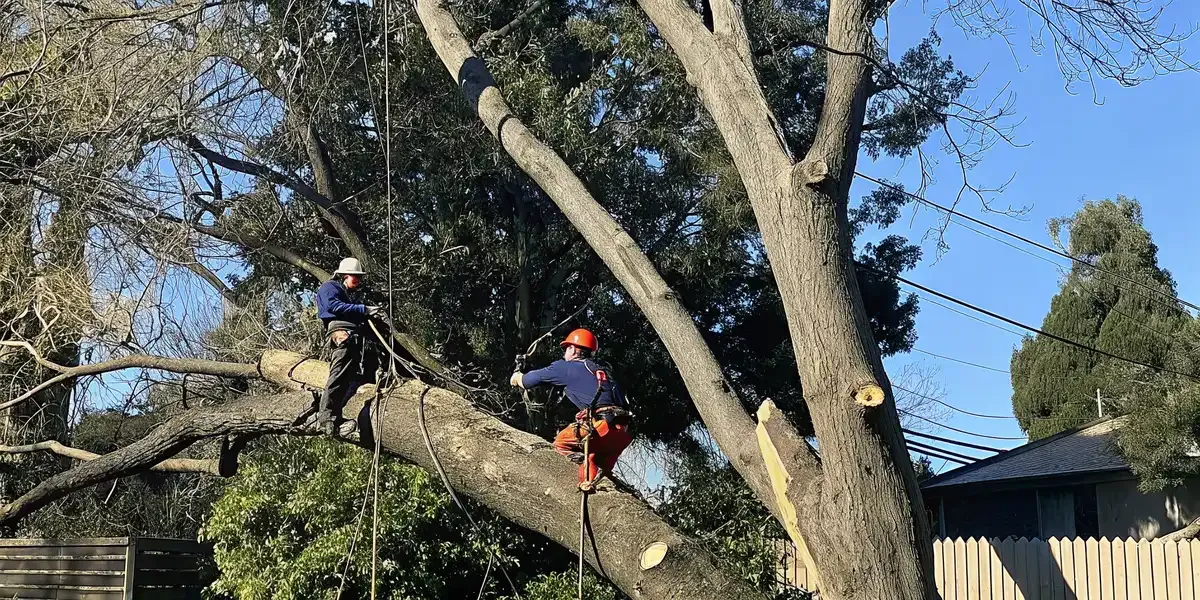
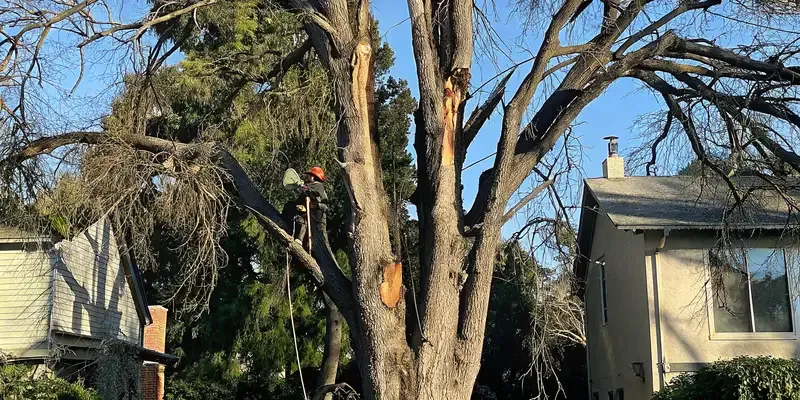
A tree emergency is a case where a tree might fall and hurt someone or break a house. Large cracks that go deep into the wood are very dangerous. If a tree has roots pulling out of the ground after a storm, you must act fast. This is when you should call for emergency tree services to protect your yard.
Storms are the most common cause of sudden tree hazards in Sacramento. High winds can snap large limbs or tip over old trees with weak roots. If a branch is hanging over a power line or your roof after a storm, stay away from it. Do not try to move heavy limbs yourself, as they can shift and cause more harm.
Protect roots, trunks, and nearby property
Good residential tree care in Sacramento goes beyond the leaves. You must also protect roots and trunks from harm. Dirt packing and hits to the bark often lead to health issues or tree death. Keeping the area under the tree safe helps your yard thrive and keeps your home secure.
Construction and soil health
Heavy tools and foot traffic can pack down the dirt. This soil compaction stops water and air from reaching the roots. To keep roots safe, set up a fence under the branches before any work starts. If you plan to change the dirt level or build nearby, talk to a pro first to avoid root loss.
Poor root health can slow tree growth and limit survival. Data from the University of California shows that a strong root system is key to tree health. You can also use professional tree health care to check the soil and fix packing issues before they kill your trees.
Lawn tools and bark safety
Mowers and weed eaters often cause trunk damage. A single hit can strip the bark and let in pests or rot. To prevent this, place a mulch ring around the base of the tree. This keeps tools away and holds water in the soil. Do not pile mulch against the trunk, as this can make the wood rot.
If a tree falls or has bad damage, call for emergency tree services to keep your yard safe. Regular checks by a pro can find small trunk issues before they grow into big risks for your home or family.
Safe root zone work
Before you dig or build near a tree, you must know where the roots are. Most roots live in the top two feet of soil and reach far past the branch tips. Cutting these roots can make a tree weak or cause it to dry out. Always get a pro to look at the site before you start work near the root zone.
For street trees or trees near paths, safety is a top goal. Branches over paths should stay at least 8 feet high to keep people safe as they walk (University of California). Proper care for roots and trunks ensures your trees stay strong for years to come.
Build a professional tree care plan
A smart plan for your yard keeps your trees strong and your home safe. Working with a local team helps you find small issues before they turn into big risks. This is a key part of residential tree care Sacramento homeowners use to protect their property and boost curb appeal. A good plan covers more than just one-time fixes. It creates a path for long-term tree health through every season of the year.
Check tree health early
The first step in any plan is a full check of your trees. Experts look for signs of bugs, rot, or weak spots in the trunks and limbs. They also check how close branches are to your roof or power lines. This step helps you learn which trees need help right now and which ones are doing well. Getting a head start helps you fix problems while they are still small and easy to handle.
A clear plan for professional tree health care starts with a deep look at what each plant needs to thrive. Your team can spot changes in leaves or bark that might mean a tree is sick. They use these checks to tell you if a tree needs food, more water, or special care. This work keeps your yard looking great and helps you avoid the cost of taking down a dead tree later.
Set up routine care
Once you know what your trees need, you can set a schedule for trimming and pruning. Most trees need care to stay in good shape and keep limbs strong. Pruning removes dead wood and helps the tree grow in a safe way. It also lets light and air reach the inner parts of the canopy. This type of care makes the tree less likely to break during high winds or heavy rain.
A good plan for your trees also includes knowing when to say goodbye to a sick or unsafe tree. If a tree cannot be saved, your team will handle the removal safely. They use the right tools to take the tree down without hurting your home or yard. After the tree is gone, stump grinding is a vital last step. It stops pests like ants or termites from moving into the old wood and spreading to your house.
Research from the University of California shows that you should only prune a tree enough to fix its structure. Cutting too much can hurt the tree and slow its growth. A pro plan ensures your trees get the right amount of care at the right time. This balance keeps your yard safe while helping your trees live for a long time.
Plan for emergency help
Even with the best care, storms can cause sudden damage to your trees. A professional plan is a way to get help fast when a branch falls or a trunk splits. Having a team you trust for emergency tree services means you won't have to search for help in the middle of a crisis. They can come out quickly to clear limbs and make your yard safe again.
A pro partner will know your yard and your trees well before a storm hits. This helps them act fast to protect your family and your property. Knowing you have expert help on call gives you peace of mind during bad weather. It is the final piece of a full tree care plan that keeps your home and your landscape in top shape all year long.
Frequently Asked Questions
Can you legally trim a neighbor's overhanging tree in California?
In California, you may trim branches from a neighbor's tree that hang over your property line. You must only cut the parts on your side and avoid hurting the tree. If you kill or damage the tree, you could be held liable for the cost. It is smart to talk with your neighbor before you start. Hiring a pro for residential tree care in Sacramento helps you avoid legal issues while keeping the tree healthy.
How often should residential trees be pruned?
Most residential trees in Sacramento need pruning every three to five years. Younger trees may need more care to build a strong frame. Fast-growing types often need care more often than slow-growing ones. According to the University of California, you should only prune enough to direct growth and fix weak spots. Regular checks by an arborist help find dead wood or pests early. This cycle keeps your property safe and helps your trees live longer.
Why is it important to prune trees in Sacramento?
Pruning is vital for safety and tree health in the Sacramento area. Removing dead or heavy branches reduces the risk of property damage during high winds. It also helps air and sunlight reach the leaves, which prevents disease. Proper cuts improve the look of your yard and boost property value. Expert residential tree care in Sacramento ensures that cuts are made the right way. This keeps your trees strong and helps them thrive in our local weather.
What are the benefits of hiring a certified arborist for tree care?
A certified arborist has the training to handle tough tree tasks safely. They know how to spot pests and tree diseases before they spread. These experts use modern tools to remove heavy limbs without hurting your home. Using a pro for residential tree care in Sacramento ensures the job is done right. Since they are often licensed and insured, they provide peace of mind. Choosing expert care saves money by preventing tree failures or removals.
Ready to request a tree care quote for your home?
Putting off tree work can lead to dead wood or trees that fall on your house. This delay might cause high costs for home repairs that you could have stopped. Starting your plan today ensures that you catch rot while it is still a small issue. It gives you the peace of mind that your yard is safe from storm damage. You will save money and keep your Sacramento home looking great for many years. Our expert tree health care keeps your trees healthy and strong against pests or bad weather. Taking the first step now means you won't have to worry about big risks later.
Ready to request a tree care quote? Call (916) 664-7439 to get an expert tree check today.
Comments