

How Much Does It Cost to Remove a Tree? A Guide
That one tree in your yard has gone from a beautiful feature to a source of worry. Maybe it’s leaning a little too close to the roof, or its branches are creeping toward power lines. Once you decide it needs to go, the next logical question is a big one: how much cost to remove a tree? The answer, however, isn't a single number. The cost is influenced by the tree's size, its health, and how difficult it is for a crew to access. This guide will break down all the variables so you can understand what to expect and hire a professional with confidence.
Key Takeaways
- Understand What Influences the Price
: Tree removal is a custom service, not a flat-rate product. The final cost is determined by key factors like the tree's size, health, and location, which is why a professional on-site quote is the only way to get an accurate price.
- Hire a Professional, Not Just a Price Tag
: The lowest bid can be a red flag for a company that lacks proper insurance or plans to add fees later. Protect your property and your wallet by choosing an insured company that provides a detailed, written contract for all work.
- Be Strategic to Manage the Cost
: You can get a better value by planning ahead. Consider scheduling non-urgent work during the slower fall or winter seasons, and ask about potential discounts for bundling services like stump grinding or removing multiple trees in one visit.
How Much Does Tree Removal Cost?
Figuring out the cost of tree removal is often the first step for homeowners, and it’s a question we get all the time. While it would be great to have a simple, flat-rate answer, the truth is that every tree and property is unique. The final price depends on a mix of factors, from the tree’s height to its location in your yard. Think of it less like buying a product off the shelf and more like a custom project tailored to your specific situation. Understanding what goes into a quote will help you see why the prices can differ and what you’re paying for: a safe, professional job.
The Average Price Range for Tree Removal
So, what can you generally expect to pay? On average, professional tree removal can cost between $700 and $1,000. For a very small tree, you might pay as little as $150, while a very large or complex removal could exceed $2,000. It’s important to remember these are just ballpark figures. Some reports show that quotes for a single large tree can vary dramatically, sometimes from $600 to as high as $15,000, depending on the job's complexity. This wide range highlights why getting a detailed, on-site estimate is the only way to know the true cost of tree removal for your property.
Why Do Prices Vary?
The significant price variation comes down to the specifics of the job. A certified arborist doesn't just look at the tree; they assess the entire situation to create a safe and efficient plan. Key factors that influence the final cost include the tree's size and diameter, its overall health, and how easy it is to access with equipment. A tree leaning over your house will require a different approach than one in an open field. Plus, the price will change depending on whether you need additional services like stump grinding or debris hauling. Each of these elements contributes to the total tree removal quote.
Key Factors That Influence the Cost
When you get a quote for tree removal, you might notice the price can vary quite a bit from one job to the next. That’s because removing a tree isn’t a one-size-fits-all task. Several key factors determine the complexity, risk, and resources needed for the job. Understanding these variables will help you make sense of your quote and appreciate what goes into safely and efficiently removing a tree from your property. Let's break down the main elements that influence the final cost.
Tree Size and Diameter
It’s probably no surprise that bigger trees cost more to remove, but it’s not just about height. The diameter of the trunk plays a huge role, too. A tall, thick tree requires more time, labor, and specialized rigging to bring down safely in sections. Think of it as dismantling a large piece of furniture versus a small one; the bigger item simply has more parts. More wood also means more weight and more debris to handle and haul away, all of which contribute to the overall time and cost of the project.
Tree Health and Condition
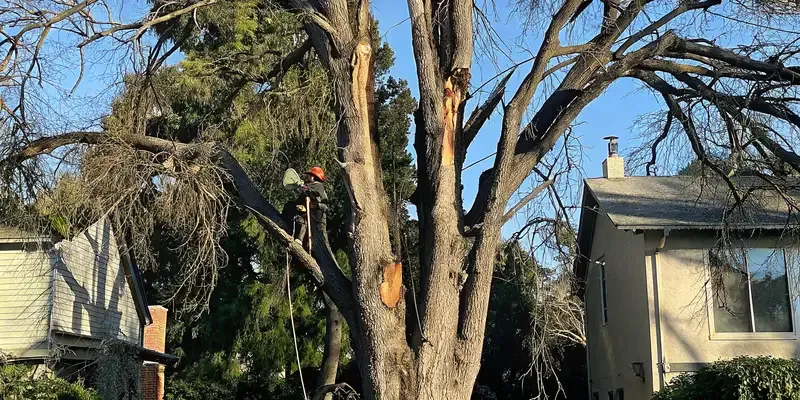
You might think a dead or dying tree would be cheaper to remove, but the opposite is often true. While a healthy tree is heavy, its wood is solid and predictable. A sick or dead tree, on the other hand, can be unstable. Brittle branches and decayed trunks can break unexpectedly, making the removal process much more dangerous for the crew and your property. Safely handling these unpredictable trees requires extra care, advanced techniques, and more time, which increases the cost. A professional arborist will assess the tree's condition to plan the safest approach.
Your Property's Accessibility
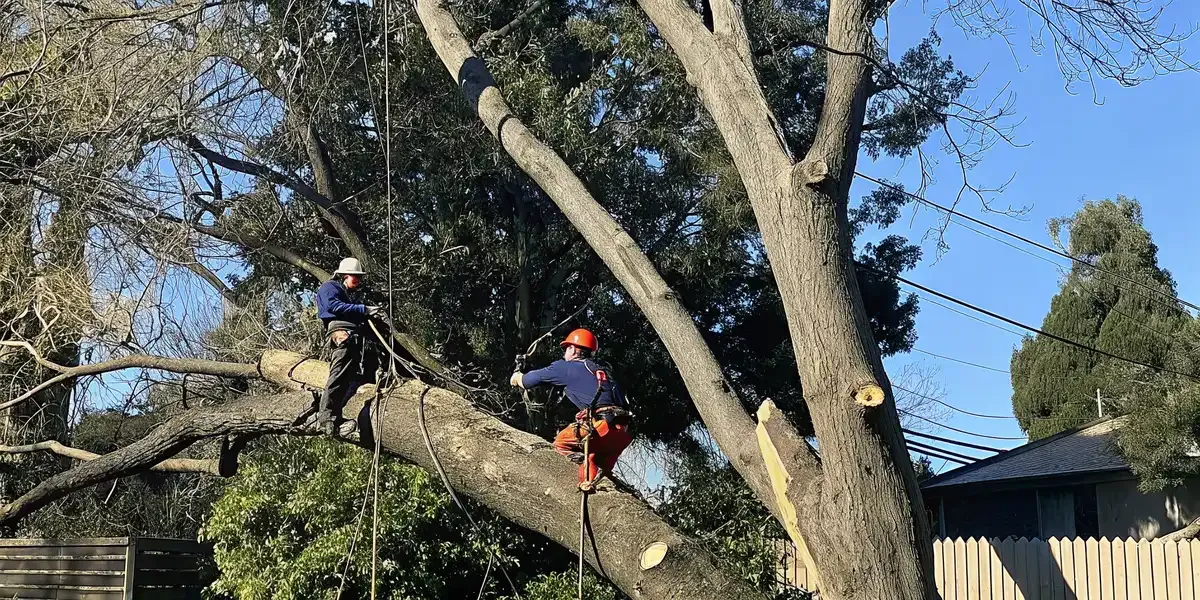
Where the tree is located on your property is a major cost factor. A tree in your front yard with easy access from the street is straightforward. The crew can bring in a bucket truck, chipper, and other heavy equipment right to the spot. However, if the tree is in a fenced backyard, on a steep hill, or squeezed between buildings, it’s a different story. When equipment can’t reach the tree, the entire job has to be done manually. This means crew members must climb the tree and carry every piece of wood and debris out by hand, which is significantly more labor-intensive and time-consuming.
Proximity to Power Lines and Structures
A tree growing too close to your house, garage, fence, or power lines presents a much higher risk. Every cut must be precise to ensure large limbs are lowered carefully without causing any damage. This type of high-stakes work requires a team with extensive experience and skill in technical rigging. The increased risk and the meticulous planning needed to protect your property (and your neighbor’s) mean the job will take longer and cost more. This is a scenario where hiring a fully insured and professional tree service is not just a good idea, it’s essential.
The Need for Special Equipment
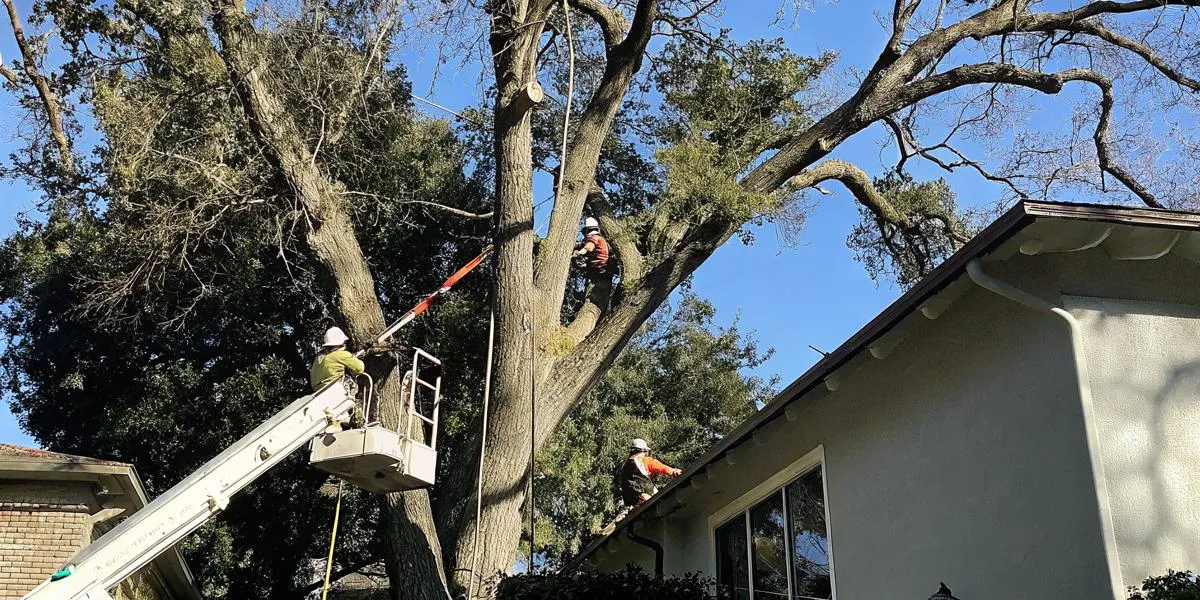
Sometimes, a standard crew and equipment just won’t cut it. For exceptionally large, tall, or inaccessible trees, a crane may be necessary to lift sections of the tree up and over your home or other obstacles. Cranes are expensive to rent and operate, which will be reflected in your quote. Other services like stump grinding, which is usually a separate process, and hauling away all the wood and debris also add to the final price. When you get a quote, make sure you understand exactly what services and equipment are included.
How Tree Type Affects Your Quote
The type of tree you need removed is one of the biggest factors in determining your final cost. It’s not just about how tall it is, though that’s a huge part of it. The species of the tree, its density, and even its overall health play a significant role in how complex the job will be. A towering, dense oak tree presents a much different challenge than a small, slender pine. Understanding these differences will help you make sense of the quote you receive from a professional tree service.
Small Trees (Under 30 Feet)
Small trees, which are typically under 30 feet tall, are the most straightforward and affordable to remove. Think of ornamental trees like Japanese maples or smaller fruit trees. Their removal generally costs between $150 and $500. The lower price reflects the reduced risk and labor involved. Our crew can often handle these jobs with basic equipment and fewer team members, making the process quick and efficient. Because they are easier to control during felling, there’s also less risk to your home and surrounding property, which simplifies the entire operation.
Medium Trees (30–60 Feet)
Once a tree reaches the 30-to-60-foot range, the complexity and cost of removal increase. For these medium-sized trees, you can expect to pay somewhere between $500 and $1,000. Trees like mature birches or maples fall into this category. Removing them requires more planning, specialized equipment, and a larger, more experienced crew to ensure everything is done safely. The process often involves carefully dismantling the tree piece by piece, especially if it’s close to your house or other structures. This methodical approach is essential for protecting your property.
Large Trees (Over 60 Feet)
Large trees standing over 60 feet tall represent the most complex and expensive removal jobs, often costing $2,000 or more. Majestic trees like mature oaks, redwoods, or pines can be incredibly heavy and dangerous to handle. Their removal is a highly technical task that demands the expertise of skilled arborists and may require heavy machinery like cranes. The primary focus is always on safety for both our crew and your property. The significant cost reflects the extensive planning, risk management, and advanced equipment needed to bring down a tree of this size without incident.
Hardwood vs. Softwood
The species of your tree matters, too. Hardwoods like oak and maple are much denser and heavier than softwoods like pine. This density makes them more difficult and time-consuming to cut, which can increase labor costs. Furthermore, a tree’s condition is a major factor. A dead or dying tree might seem easier to remove, but it can actually be more hazardous. Brittle limbs and unstable trunks require a specialized approach to prevent unpredictable breaks. Our team is trained in tree health care and can safely assess and handle these challenging situations.
Costs for Common Sacramento Trees
Here in Sacramento, the cost of tree removal can vary widely, from as low as $250 for a small, simple job to over $7,500 for a massive, complex one. The specific type of tree, its location on your property, and its overall condition all contribute to this wide range. For example, removing a large valley oak near your home will be a much different project than taking out a smaller palm tree in an open yard. This is why a one-size-fits-all price just doesn’t work. The best way to get an accurate price is to have a professional from JT&M Tree Management come out and provide a detailed, on-site quote.
What Other Services Might You Need?
When you get a quote for tree removal, it’s smart to ask what’s included. The price for cutting the tree down is just one piece of the puzzle. Often, services like stump grinding, hauling away the debris, and handling permits are priced separately. Understanding these potential add-ons ahead of time helps you budget accurately and ensures there are no surprises on the final bill. A professional company will walk you through all the available tree care solutions to make sure the entire job is handled correctly from start to finish.
Stump Grinding and Removal
Cutting down a tree leaves a stump behind, and removing it is a separate job. While you can leave it, a stump can be a tripping hazard, attract pests like termites, and get in the way of landscaping. Stump grinding chews the wood down below the soil level, making the area ready for new grass or plants. This service is usually priced based on the stump’s diameter and can range from around $60 to $350. Including stump grinding in your initial project is often the most efficient way to get a clean slate for your yard.
Debris Hauling and Cleanup
Once the tree is down, you’re left with a lot of wood, branches, and leaves. Some companies include cleanup in their base price, while others list it as an optional line item. It’s crucial to clarify this when you get your quote. A full cleanup service typically involves running branches through a wood chipper and hauling all the debris off your property, leaving it tidy. Forgetting to account for this can leave you with a huge mess to handle on your own, so always ask what the cleanup process involves.
Emergency Removal Services
If a storm or sudden failure causes a tree to fall on your house, car, or block your driveway, you’ll need an emergency removal. These situations require an immediate response, often outside of normal business hours, and involve higher risks. Because of the urgency and potential danger, emergency tree services cost more than scheduled work, sometimes ranging from $500 to over $2,500. The higher price reflects the crew’s need to mobilize quickly and work carefully in a hazardous environment to secure your property and prevent further damage.
Sacramento-Specific Permits
You can’t always remove a tree just because it’s on your property. In Sacramento, certain trees are protected, and removing them without the proper paperwork can lead to significant fines. The city has specific rules for "heritage trees" or trees of a certain size and species. A professional, local tree service will know exactly what’s needed and can manage the permit application process for you. This expertise is invaluable, as it ensures your project complies with all local regulations and proceeds without any legal hiccups.
Smart Ways to Save on Tree Removal
Tree removal is a significant investment in your property's safety and appearance, but that doesn't mean it has to break the bank. With a little planning, you can find ways to manage the cost without cutting corners on safety or quality. Think of it like any other major home project; being an informed homeowner is your best tool. A few strategic moves can make a big difference in the final price you pay. From timing the service call to bundling jobs, there are several practical, straightforward tips for getting the professional tree care you need at a fair price. It’s all about working smarter, not harder, to protect both your property and your budget.
Get a Few Different Quotes
When you’re looking for a professional, don’t just go with the first quote you receive. I always recommend getting at least three different estimates. This isn't about starting a bidding war; it's about understanding the fair market rate for the work you need done. Comparing quotes helps you see what different companies include in their base price and identify any outliers that seem too high or suspiciously low. This simple step empowers you to make a confident, well-informed decision instead of just guessing. It also gives you a chance to talk with a few different arborists and find a team you feel comfortable with.
Bundle Services for a Better Deal
If you know the tree needs to go, think about what happens next. Will you be left with an unsightly stump? What about all the branches and logs? Many tree care companies, including us, offer a discount if you bundle services together. Combining tree removal with stump grinding and debris hauling in a single appointment is more efficient for the crew. Since we can get everything done in one trip, we can pass those savings on to you. It’s a win-win: your yard is completely cleared and ready for its next chapter, and you save some money in the process.
Schedule Work During the Off-Season
Like many outdoor services, the tree care industry has its busy and slow seasons. Spring and summer are peak times, especially after storms, when demand is high. If your tree removal isn't an emergency, consider scheduling it during the late fall or winter. Companies often have more flexibility in their schedules during these slower months and may offer more competitive pricing to keep their crews busy. Planning ahead and booking your project during the off-season is one of the easiest ways to save money without compromising on the quality of the work.
Remove Multiple Trees at Once
Do you have one tree that definitely needs to go and another one you’ve been keeping an eye on? It might be more cost-effective to address them both at the same time. The biggest costs associated with tree removal often involve travel time and setting up heavy equipment. By having a crew handle multiple trees in a single visit, you consolidate those overhead costs. Talk to your arborist about creating a long-term plan for your property. They can help you identify which trees need immediate attention and which can be grouped together for a future tree care project.
Ask About Your Debris Disposal Options
Don't assume that hauling away the wood and branches is included in your quote. Cleanup is a big job, and some companies list it as a separate line item or an optional add-on. To avoid any surprises on the final bill, make sure you ask about debris disposal upfront. If you have a fireplace, you might be able to save money by keeping the logs for firewood. Some homeowners also choose to have the branches chipped into mulch for their gardens. Clarifying your options for debris hauling ensures everyone is on the same page and helps you control the final cost.
Common Mistakes to Avoid When Hiring
Choosing a tree removal service can feel overwhelming, but knowing what to look for can help you sidestep common issues. Hiring the right team is about more than just getting the tree down; it’s about ensuring the job is done safely, professionally, and without leaving you with a new set of problems. Let’s walk through a few key mistakes to avoid so you can hire with confidence.
Choosing a Pro Based on Price Alone
It’s tempting to jump on the lowest quote, but price shouldn't be your only deciding factor. An unusually low bid can be a red flag, often signaling that a company may be cutting corners on safety, equipment, or insurance. This can put your property and their crew at risk. Instead of just collecting prices, use quotes to compare the scope of work, the professionalism of the company, and the value offered. A reputable company like JT&M Tree Management provides detailed estimates that reflect the quality and safety of their work, giving you peace of mind that the job will be done right.
Forgetting to Verify Insurance
This is a non-negotiable. A professional tree service must carry both general liability insurance and worker's compensation. Liability insurance protects your property from any damage that might occur during the removal process, while worker's comp covers their employees in case of an injury. If you hire a company without proper insurance, you could be held financially responsible for accidents or damages. Always ask for a certificate of insurance directly from their provider before any work begins. This simple step protects you from significant financial risk and is a hallmark of a trustworthy tree care professional.
Skipping the Written Contract
A verbal agreement isn't enough when it comes to a job as complex as tree removal. A clear, written contract is essential for protecting both you and the company. This document should act as a detailed roadmap for the project. Make sure it outlines the exact scope of work, including which trees are being removed, whether stump grinding is included, and the plan for cleanup. It should also specify the total cost, a payment schedule, and an estimated timeline. A contract ensures everyone is on the same page and helps prevent misunderstandings or unexpected charges later on.
Not Asking About the Cleanup Process
Don't assume that "tree removal" automatically includes hauling away all the debris. Some companies might remove the large logs but leave you with a mountain of branches, leaves, and wood chips to handle on your own. This is especially true after stump grinding, which can create a surprising amount of debris. Before you agree to anything, ask for specifics about their cleanup process. Will they remove all wood and debris from your property? Is the cost of hauling it away included in the quote? Clarifying this upfront ensures you won't be left with a messy yard and an unexpected cleanup project.
How to Choose the Right Tree Removal Company
Finding the right tree removal company is about more than just the price tag. You’re trusting a team with the safety of your home, your family, and your property. A great company combines fair pricing with the expertise and equipment to do the job safely and efficiently. Taking a little time to vet your options ensures you hire a professional team that will leave your property in better shape than they found it, without any surprise costs or stressful mishaps. Think of it as making a smart investment in your peace of mind.
What Licenses and Insurance to Look For
Before you even discuss the price, your first question should always be about licenses and insurance. This is the most important step in protecting yourself. A reputable tree service company must carry two key types of insurance: general liability and workers' compensation. General liability covers any damage to your property, while workers' compensation protects you from being liable if a crew member gets injured on your job. Any professional company, like our team at JT&M Tree Management, will gladly provide proof of their coverage. If a company hesitates or can’t produce these documents, consider it a major red flag and move on.
Key Questions to Ask Before You Hire
Once you’ve confirmed a company is insured, it’s time to dig into the details of their service. Getting a few different quotes is smart, but you need to make sure you’re comparing apples to apples. A great quote is more than just a number; it’s a comprehensive plan.
Here are a few key questions to ask each company:
Does your quote include stump grinding and removal?
Will you haul away all the wood and debris?
Is a certified arborist involved in the project?
What equipment will you use, and how will you protect my lawn and property?
Asking these questions helps you understand the full scope of the work and prevents unexpected costs. It also gives you a feel for their professionalism and attention to detail.
Red Flags That Signal a Problem
Your gut feeling about a company is often right. If something feels off, it probably is. Be wary of quotes that are dramatically higher or lower than the others. An extremely low bid might mean the company is cutting corners, is uninsured, or plans to add fees later. A surprisingly high bid could mean they aren't equipped for the job or are simply trying to overcharge you. Also, be cautious of anyone who pressures you for a quick decision or asks for a large cash payment upfront. A true professional will provide a clear, written estimate and give you the space to make an informed choice.
How to Read Your Tree Removal Quote
Once you have a few quotes in hand, you might feel like you’re comparing apples and oranges. A quote is more than just the final price; it’s a detailed plan that tells you exactly what a company intends to do. Understanding how to read it correctly helps you spot a great deal, avoid surprises, and choose a team you can trust. A clear, comprehensive quote is the first sign of a professional company that values transparency.
What Should Be Included in a Good Quote?
A good quote is a clear, written document that leaves no room for confusion. Think of it as the blueprint for your project. At a minimum, it should explicitly state which trees are being removed and detail the entire scope of work. Always ask for a breakdown that includes stump grinding, wood cleanup, and debris hauling, so you know if those services are part of the main price or available as add-ons. Getting everything in writing protects both you and the tree care company, ensuring everyone is on the same page before the work begins.
How to Spot Potential Hidden Fees
What feel like "hidden fees" are usually just services that weren't included in the initial estimate. The most common surprises are stump grinding and debris removal. Many companies list these as separate line items because not every customer wants or needs them. To avoid any shocks when the final bill arrives, ask directly: "Does this price cover the entire job, including complete cleanup and hauling everything away?" Also, be wary of a quote that seems unusually high. Sometimes, a company provides a steep price if they are overbooked or don't really want the job.
A Fair Way to Compare Your Quotes
It’s tempting to just pick the lowest number, but that can be a risky move. Tree removal prices can vary a lot, so it’s important to compare what you’re actually getting for your money. A cheaper quote might not include proper insurance, which puts you at financial risk if something goes wrong. Instead of focusing only on price, compare the professionalism, credentials, and services included in each offer. A reliable tree service company will gladly provide proof of insurance and a detailed plan that prioritizes the safety of your property.
Related Articles
Frequently Asked Questions
Why can’t I get a firm price over the phone? A phone call is a great starting point, but an accurate quote requires seeing the tree in its environment. So many factors affect the final price, like the tree's proximity to your house or power lines, the accessibility of your yard for our equipment, and the tree's overall health. A quick look allows a professional arborist to create a safe, efficient plan and give you a price that reflects the actual work involved, without any guesswork.
Is stump grinding and cleanup automatically included in the removal cost? Not always, and this is a great question to ask. Many tree services list stump grinding and debris hauling as separate line items because not every homeowner needs them. To avoid any surprises, you should always ask for a quote that details every step of the process. A transparent company will be happy to break down the costs for you, so you can decide if you want a complete cleanup or prefer to handle some parts yourself.
What is the single most important thing to verify before hiring a tree service? Without a doubt, it’s their insurance. A legitimate tree care company must have both general liability insurance and worker's compensation. Liability protects your home from damage, and worker's comp protects you from being responsible if a crew member is injured on your property. Ask for a certificate of insurance sent directly from their provider. A professional company will expect this question and provide the documents without hesitation.
Can I lower the cost by handling the cleanup myself? Yes, this is often an option that can help you manage your budget. If you have a use for the wood, like a fireplace, you can ask the crew to leave the logs for you. Some people also like to keep the wood chips for mulch in their garden beds. Just be sure to discuss these options upfront. This ensures the final quote accurately reflects the services you want and helps you avoid paying for hauling you don't need.
Do I need a permit to remove a tree on my property in Sacramento? It's possible. Sacramento has regulations to protect certain trees, often called "heritage trees," based on their size or species. Removing one of these protected trees without the proper city permit can result in large fines. A local, professional tree service will be familiar with these specific rules. They can tell you if a permit is necessary for your project and can often handle the application process for you, making sure everything is done correctly.
Comments