

Hazardous Tree Inspection Sacramento Before Storms
Heavy winter rain and strong winds in Sacramento often push weak trees past their breaking point. Proactive care helps you find these risks before they fall on your roof. Finding these issues early keeps your family safe and prevents costly damage.
You do not need to be an expert to find the most obvious signs of danger on your property. Finding these flaws early is the best way to protect your home from storm damage. The work for a hazardous tree inspection Sacramento: what to check first begins with.
Hazardous tree inspection Sacramento: what to check first
Homeowners in Sacramento should check their trees before big storms arrive. A quick walk around your yard can find risks before they cause damage. A hazardous tree is one with a defect that could hit a "target." In your yard, a target is any car, building, or spot where people gather. You can find more details on how to spot hazardous tree defects to keep your yard safe.
Start with a ground-level visual check
Focus on the area around the base of the tree first. Look for soil that is lifting or roots that are broken. If the tree has a new lean, it may be a sign of root failure. You should also check for "girdling roots" which wrap around the trunk and choke the tree. Check for holes or decay in the main trunk. Large holes can weaken the structure of the tree. If you see mushrooms growing at the base, it could mean the roots are rotting.
Look for these signs on the ground:
Mounds of soil near the trunk.
Cracked or peeling bark at the base.
Fungi or large holes in the wood.
Exposed roots with deep scars.
Look for signs of structural failure
Look up into the canopy for dead or hanging branches. These "widow-makers" can fall at any time, mainly during a windy winter day. You should also look for deep cracks where the main limbs meet the trunk. These "V-shaped" spots are often weak and split during a storm. Safety is the key part of a professional Sacramento arborist inspection.
Do not try to climb the tree to get a closer look. Experts say you should only prune a tree if you can keep both feet on the ground. If you must look higher, use a pair of binoculars instead of a ladder. This keeps you out of the way of falling limbs while you look for damage.
Stay safe in the fall zone
The "fall zone" is the area where a tree or branch would land if it failed. Never stand directly under a tree you think is hazardous. If you find a large crack or a big dead limb, keep people and cars away from that spot. It is better to move a target than to wait for a failure.
You should do this check at least once a year in late fall. Do it before the first heavy rain and wind hits Sacramento. Finding these issues early gives you time to fix them before they become an emergency. A pro can often save a tree by pruning it or using cables to support weak limbs. Proactive care helps you avoid property damage and keeps your family safe during storm season.
Which branches and canopy signs indicate danger?
Trees in Sacramento face heavy winds and rain during the winter. This weather puts a lot of stress on the tree top and its limbs. A proactive hazardous tree risk management plan helps find these issues before they cause harm. You can look for clear signs that a tree might be at risk of falling or breaking. Finding these spots early keeps your home and yard safe from storm damage. It also helps avoid the high cost of home fixes after a tree fails.
A tree is a risk if it has a flaw that could make it fall on a target. Targets include your home, car, or places where people sit and walk. In Sacramento, we have many large trees near roads and paths. This means even a small dead limb can be a major threat. A high risk or hazardous tree needs quick action to keep everyone safe.
Spotting deadwood and hanging limbs
Dead limbs are a very common sign of a risky tree. These branches often have no bark or leaves. They may look dry and brittle. They can fall at any time, even on a calm day. Most small twigs that fall are not a big deal. But if a limb is more than two inches thick, it can cause real harm. You should also watch for limbs that have broken but are still caught in the tree top. These are a big risk to anyone walking below. They can drop without warning at any moment.
Cracks and weak branch unions
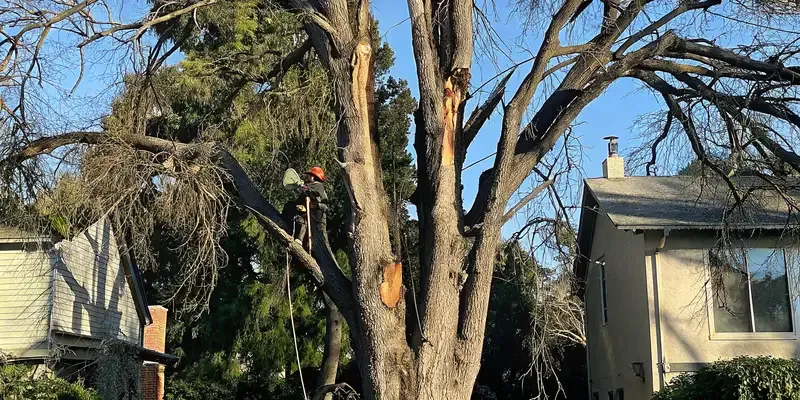
A deep crack in the trunk or a large limb is a major warning. Cracks show that the wood is splitting. The tree may no longer be able to hold its own weight. You should also check where two large limbs grow in the same spot in a V-shape. These are called weak unions. Over time, the bark grows between the stems and pushes them apart. This makes the tree more likely to split during a storm. An emergency hazardous tree inspection is vital if you see these splits after a big wind event. Trees with U-shaped unions are mostly much stronger than those with V-shaped joins.
Canopy changes and storm damage
The shape of the tree top can also show signs of danger. If a tree starts to lean, it could mean the roots are weak or the soil has shifted. You might also see a top that is not level or thin in one area. This happens when one side loses many leaves or limbs. This puts too much weight on one side of the trunk. Such weight can lead to a full crash during a high-wind storm. Many tree failures come from a mix of small flaws that build up over time. Often checking helps find these before they turn into a mess.
While you can spot these signs, you should not try to fix them yourself. A professional Sacramento arborist inspection is the best way to know the next steps. Experts can tell the change between a small health issue and a deep flaw. They use their skills to see how the tree sits in its space. They check the tree health and how the ground looks. This helps them decide if a tree needs a trim or if it must be removed. This expert view helps lower the risk of a lawsuit and keeps your yard nice.
Trunk, root, and soil warning signs
Safe trees start with a solid base and a strong main stem. A owners can trust will focus on these key areas. When wood rot or soil shifts occur, a tree can become a threat to your yard and home. Knowing what to look for can help you act before a storm hits.
Checking the trunk and bark
The trunk is the spine of the tree. If you see deep cracks or holes in the wood, the tree may be weak. These signs often point to rot that you cannot see from the outside. You should also watch for spots where the bark is missing or has sunk in deep. These areas are called cankers and often host pests or disease.
Trees with two main stems need extra care. Look for a tight V-shape where the two trunks meet. This spot is a common point for wood to split apart during high winds. A professional Sacramento arborist inspection can find these weak spots early. They can often use cables to help hold the tree together and keep it safe.
Root zone and soil strength
Roots are the anchors that keep a tree standing. If you see soil lifting or moved near the tree base, it is a big red flag. This shift shows that the roots are no longer holding the tree tight to the ground. This often happens if there has been building work or new paths put in near the tree. Changes to how you water your yard can also hurt root health over time.
Nearby digging can cut through vital roots and leave the tree prone to a fall. The City of Sacramento has rules to protect public trees from this kind of harm. If your tree leans more than it used to, or if the soil looks moved, you need an expert to check it out. Quick care can prevent a fall that might hurt your home or car.
Fungus growth and decay signs
Mushrooms are a clear sign that wood is rotting away. If you see large fungi or "conks" growing on the trunk or at the base, the tree is in trouble. These growths feed on dead wood and show that the tree is losing its inner strength. A tree with deep rot is a major risk, as it could fail at any time without warning.
Large holes or gaps in the trunk also show that the tree is hollow or weak. As tree experts say, a risky tree can strike targets such as paths or seats where people gather. Taking proactive hazardous tree risk management steps can help you save a tree or remove it safely. Checking for decay now can save you from a costly mess later.
Nearby building work or new pipes can also harm tree health. If you change your lawn watering, the soil may become too wet or too dry for the roots. These shifts can stress the tree and lead to dead limbs. Always tell your tree expert about any recent yard work. They can check if the tree needs new soil food or more water to stay strong.
Why Sacramento winter storms raise tree risk
Winter storms in Sacramento put a lot of stress on local trees. These events often bring heavy rain and high winds that test the strength of every trunk and branch. When a tree falls during a storm, it can cause a lot of harm to homes and people. A hazardous tree inspection Sacramento can find these weak spots before the wind picks up. Many land owners wait until a tree falls, but at that point, the cost to fix it is much higher. Staying ahead of the weather is the best way to keep your land safe.
The role of wind and wet soil
Sacramento's rainy season often leads to very wet soil. When the ground is soaked, it loses its power to hold tree roots in place. This is a big worry for large trees with shallow roots or those that grew during dry years. Trees that are already weak from a lack of water may not have the strength to stand in muddy earth. If the soil cannot support the weight of the tree, even a small gust can lead to a full fall.
High winds add more pressure to the tree top. In the winter, wind acts like a giant sail against the branches. This force can twist the trunk and pull at the roots. If a tree has hidden rot or deep cracks, the wind will find those flaws. This is why many trees fail during the first big storm of the year. Early care helps make sure your trees can handle these natural forces without breaking.
Trees and high-risk targets
A tree with a flaw is only a "hazard" if it has a target to hit. Based on city tree guides, a target is any building, car, or area where people gather. This includes homes, paths, and power lines. For a home owner, a leaning oak near the roof is a clear risk. For a city or business, trees near walks and parking lots need extra care to avoid harm and costs.
Business and city sites face unique tasks during winter storms. Large lands often have many trees that need care. If a tree falls on a power line or blocks a road, it creates a big problem for the whole area. Expert tree care helps managers find these risks early. This keeps paths clear and reduces the chance of loss for everyone who uses the space.
Why you need a pre-winter check
The best time for a tree check is before the winter storms start. An expert Sacramento arborist inspection looks for signs of rot that you might miss. These signs include deep cracks in the bark, hollow spots in the trunk, or dead wood in the top. Finding these issues early allows for simple fixes like pruning. These steps are much easier to manage than a full tree removal after a storm.
Ignoring tree health can lead to a sudden need for urgent tree care when a branch falls. Watching your trees early helps you avoid the stress and danger of a fallen tree during a storm. It also helps keep the beauty and value of your land. Taking action now protects your home and keeps the Sacramento forest strong.
What should you do if a tree looks hazardous?
Seeing a tree that might fall is a scary thing. Trees are very heavy and can do a lot of damage, so you must act fast to keep your home and family safe. A tree is a hazard if it has weak spots that could make it fail near a house or road. Most trees give off signs before they fall, such as cracks, rot, or dead wood. Inspecting trees before winter storms in Sacramento helps you manage risks from severe weather.
Put safety first
You should never try to fix a risky tree on your own. Most tree work is quite dangerous and needs special tools and deep knowledge. Stay well back from the tree and tell others to do the same. If the tree is near power lines, call the power firm right away. Do not go near the lines or the tree. A hazardous tree inspection helps find these risks before they cause real harm.
Follow these safety steps
You can help by taking some simple steps to keep your home safe. These moves protect you while you wait for an expert to arrive and help the arborist know what is wrong. Getting a professional Sacramento arborist inspection is the best way to start. These experts know how to handle big trees in our local area and use a safe process to find every flaw.
Clear the area. Move cars and lawn tools away from the tree if it is safe to do so. Make sure kids and pets stay inside the house at all times.
Keep people away. Use tape, rope, or cones to mark off the danger zone. This zone is often as wide as the tree is tall. Do not let anyone walk through this space.
Take photos from far away. Do not walk under the tree to get a better look. Use your phone to zoom in on cracks, holes, or rot from a safe distance.
Call a local expert. A fast
emergency hazardous tree inspection
will help you find the best fix. Pros can tell if a tree can be saved or needs to go.
Wait for the crew. Do not try to cut branches or prop up the tree with boards. Let the experts do the work with their heavy gear and safety lines.
Hire a local expert
Tree removal should be a last resort for any owner in Sacramento. A pro can often save a tree by pruning it the right way or using cables. They look for pests or fungal growth that might make the wood weak. By finding these issues now, you can stop a fall during a big winter storm. Most tree flaws can be fixed if you find them early enough. Trust the pros to keep your yard safe all year long. They have the skill to protect your property and the trees you love.
When should you schedule a professional inspection?
An expert hazardous tree inspection in Sacramento is the best way to keep your land safe. You might wonder when to call a pro for help. A tree with deep flaws is a risk if it can hit a target. Targets include things like your home or car. Finding these flaws early helps you avoid harm from falling limbs. It also keeps your yard looking its best all year long. Sacramento is working to double its tree canopy by the year 2045. As more trees grow in our city, the need for safe care grows too.
Finding signs of tree defects
You can check your trees for clear signs of stress. Look for deep cracks in the trunk or large dead limbs. Holes, pests, and fungi are also signs of decay. Some trees may lean or have roots that wrap around the base. These issues often lead to tree failure during high winds. A pro can help you find hidden spots that are hard to see from the grass. Expert crews look at the whole tree and the ground near it.
They check the wood health and the soil state. This full check is needed because each tree grows in its own way. Not every flaw means you must cut down the tree. Often, simple care like cabling or soil work can save a large tree. Pro guidance helps you pick the right plan for your yard and your budget. It is a smart way to manage the health of your trees for the long term.
Handling risks before winter storms
The best time for a check is before the wet winter months. Sacramento storms bring rain and fast winds. These forces make cracks worse. A fall check lets you find risks early. Fixing issues now can stop the need for an emergency hazardous tree inspection later. It is a smart way to keep your family safe near big trees. While expert crews offer help day and night, being early is always best.
Homeowners should also think about legal risks. If a tree falls on a car or a house, it can lead to high costs. Regular checks show that you are taking good care of your land. This is vital for business and city owners who host many people. Keeping a clear log of tree health can help with insurance claims. Taking action now is much better than waiting for a tree to fail during a storm.
Health and safety for your trees
Cutting down a tree should be the last step you take. Large, mature trees give shade and add charm to your home. They also help nature and local birds. An expert professional Sacramento arborist inspection can find ways to keep your trees. They may suggest pruning or thinning the top to let wind pass through. This keeps the tree safe while keeping its beauty and value.
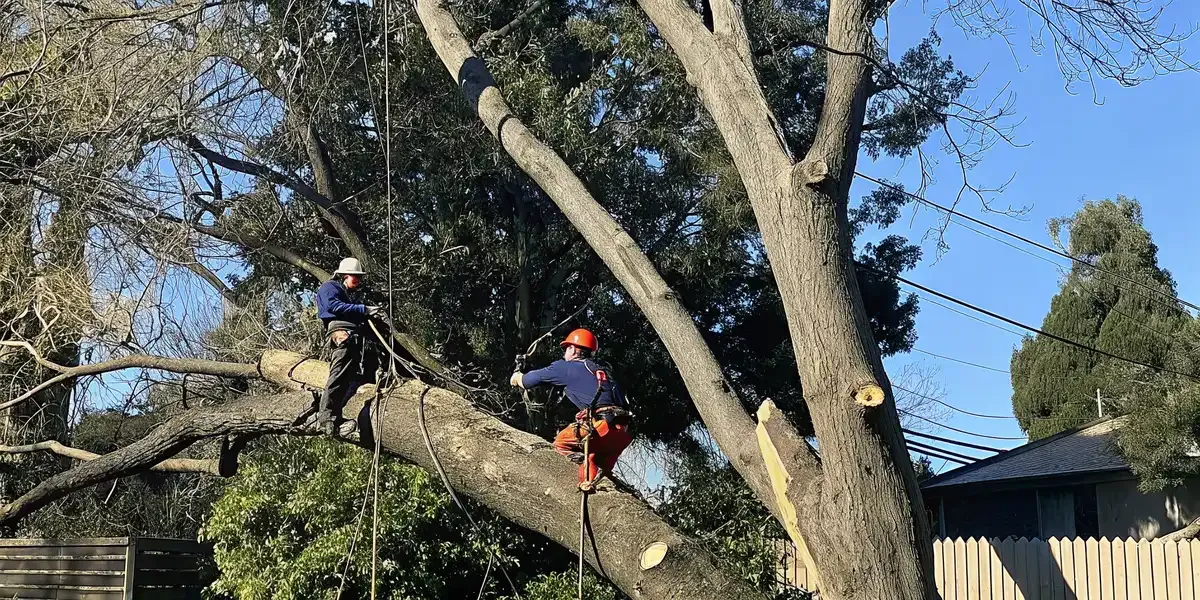
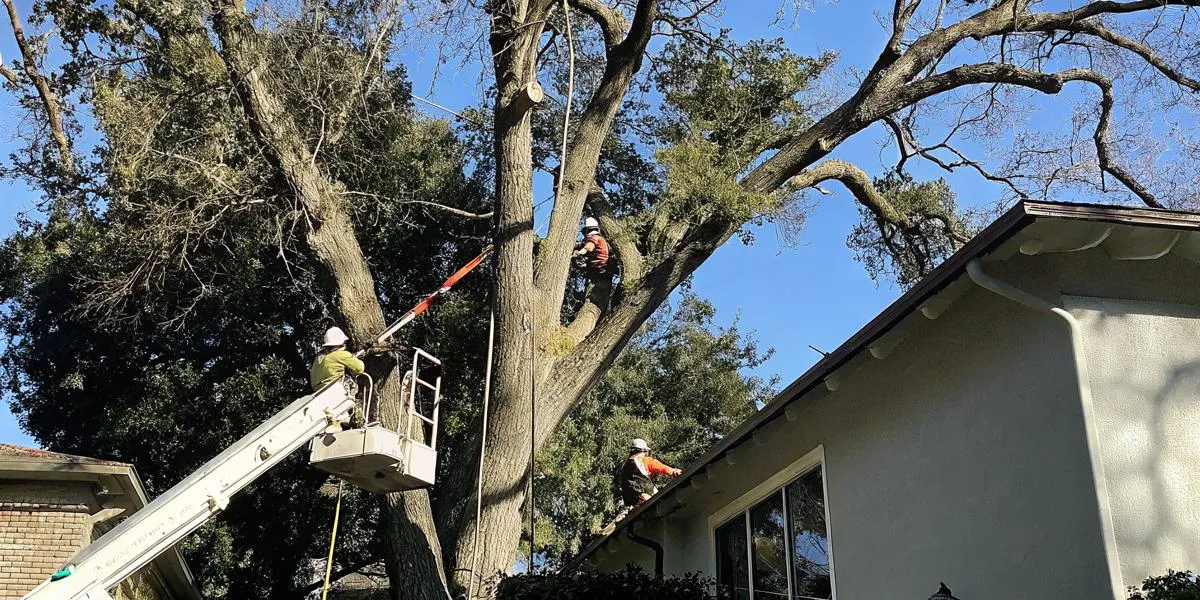
Safety must come first for any tree job. You should not try to trim a tall tree on your own. Pros say you should hire help if you cannot work with both feet on the soil. Expert teams have the right tools to work safely high in the air. They use strong ropes and follow strict safety steps. Hiring a skilled crew for a regular hazardous tree inspection in Sacramento gives you peace of mind and keeps your home in top shape for years to come.
Frequently Asked Questions
Why is tree inspection important before winter storms in Sacramento?
Sacramento winters often bring heavy rain and strong winds that stress tree structures. Getting a professional hazardous tree inspection in Sacramento helps you find weak spots like cracks or decay before they fail. This early care cuts the risk of home damage or harm when storms hit. It also helps manage your legal risk by showing you took steps to keep your land safe.
How often should I get my trees inspected for hazards?
You should have an expert check your trees at least once every year. It is best to set this visit before the stormy season begins. Yearly checks help find new flaws like fungal growth or pest issues that can weaken wood over time. Regular tracking ensures your trees stay healthy and stable. This ongoing care is the best way to catch small problems before they become costly or risky crises during a storm.
Can I prune my trees myself to prevent storm damage?
You can handle small tasks like removing low, thin twigs from the ground. However, you should hire an expert if you cannot prune the tree with both feet on the ground. Working on tall branches or near power lines is very risky without the right tools and training. Experts have the gear to work safely. They also know which cuts will help the tree grow strong rather than causing new rot.
What should I look for in a professional tree inspector in Sacramento?
Look for an inspector with deep local knowledge of Sacramento's specific tree species and soil. They should be a certified arborist who follows industry safety rules. A good pro will provide a clear report on any flaws they find and suggest the right fix. They should also offer help in case of a storm crisis. Choosing a local expert ensures they know how our regional weather patterns impact the health and safety of your trees.
How much does a tree evaluation cost?
The cost of a tree check depends on the size and number of trees on your lot. Most pros give custom quotes based on what your site needs. While an expert check has a fee, it often saves you money in the long run. Finding a risk early can stop high repair costs from a fallen limb. You can get a clear price by asking a local service for a quote for your specific land needs.
Ready to request a tree inspection and quote for your Sacramento home right now?
Waiting until a winter storm hits Sacramento can be a very costly mistake for any home owner that often leads to major home damage. High winds and heavy rain bring down weak branches that seemed fine just a few days ago which can harm your home or your family. If you act now, you can find these hidden risks and fix them today before the cold winds cause real harm to your lovely yard.
Are you ready to request a tree inspection and quote today? Call (916) 664-7439 to request a tree inspection and quote. Our team at JT&M Tree Management will keep your Sacramento home safe.
Comments