

The Essential Guide to Disaster Tree Removal Sacramento
Seeing a fallen tree in your yard can bring out the DIY spirit in many of us. It’s tempting to grab a chainsaw and try to solve the problem yourself to save time and money. However, this is one of the most dangerous projects a homeowner can undertake. A storm-damaged tree is unstable and unpredictable, and working with powerful equipment without proper training can lead to serious injury or further property damage. Before you even consider it, let’s talk about why professional help is non-negotiable. This guide explains the hidden risks and shows you what to look for in a qualified, insured team for disaster tree removal in Sacramento.
Key Takeaways
- Verify Credentials Before You Hire
: In a stressful situation, it's easy to rush, but always take a moment to confirm the company is licensed, bonded, and insured. This simple check is your best protection against liability and ensures you're working with a true professional.
- Leave Hazardous Work to the Experts
: A professional removal involves a strategic safety assessment, specialized equipment, and a thorough cleanup. For your own safety, never attempt to handle a fallen or damaged tree yourself; the risks are just too high.
- Document Everything for Costs and Insurance
: Get a clear, written estimate that details all services before work begins. To support a potential insurance claim, immediately take photos of the damage from multiple angles and contact your agent to review your coverage.
How to Choose an Emergency Tree Service in Sacramento
When a tree falls on your property, the last thing you want to do is scramble to find a trustworthy company. The stress is high, and making a quick, clear-headed decision is tough. But choosing the right emergency tree service is the most important step you can take to ensure your property is cleared safely and professionally. Before you hire anyone, take a moment to check for a few key qualifications. This will help you find a reliable partner to manage the situation and give you peace of mind.
Verify Their Credentials
First things first, you need to confirm the company is licensed, bonded, and insured. This isn’t just industry jargon; it’s your financial safety net. A proper license shows the company meets state and local standards for tree work. Insurance is even more critical. It should include liability coverage for property damage and workers' compensation in case a crew member gets injured on your property. Without it, you could be held responsible. Being bonded provides an extra layer of protection, ensuring you are compensated if the company fails to complete the job as promised. A professional service will always be upfront about these credentials, as they show they are a legitimate and responsible tree care provider.
Assess Their Experience and Equipment
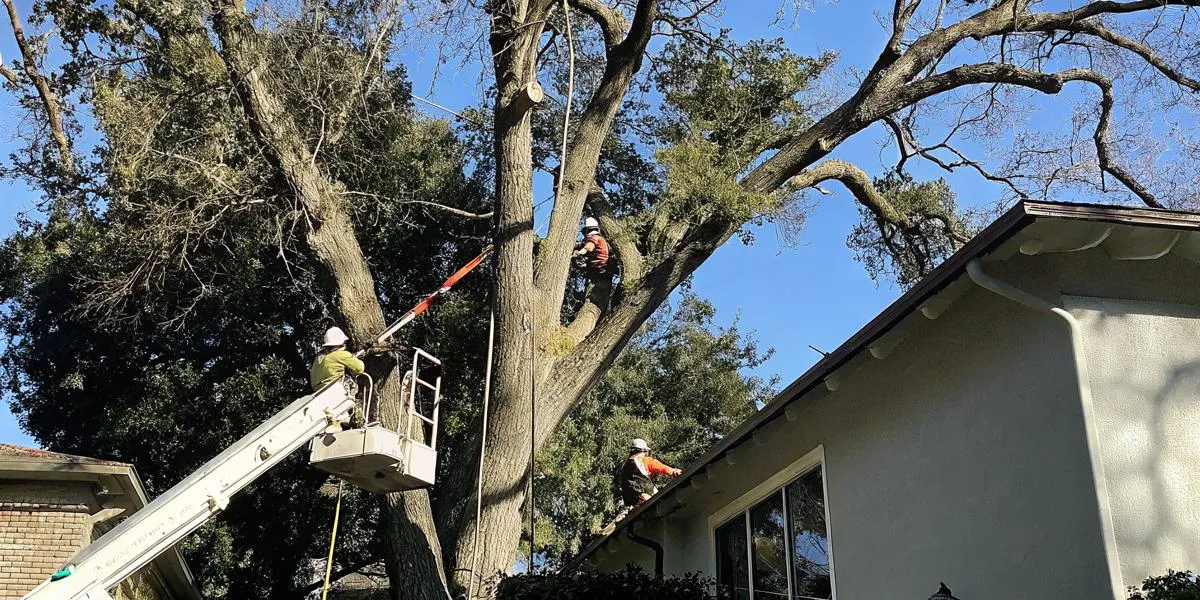
In an emergency, you need a team that knows exactly what it’s doing. Look for a company that employs trained tree experts with lots of experience in disaster situations. An unstable, storm-damaged tree requires a much higher level of skill than routine trimming. Ask how long they’ve been handling emergency calls in the Sacramento area. Along with experience, they must have the right tools for the job. A professional crew will use advanced equipment like cranes, bucket trucks, and powerful chainsaws to handle complex removals safely and efficiently. The right equipment minimizes the risk of further damage to your home and property during the removal process.
Confirm 24/7 Availability and Response Time
Tree emergencies don’t stick to a 9-to-5 schedule, and neither should your tree service. It’s essential to find a company that provides 24/7 emergency tree services in Sacramento and the surrounding areas. When a tree is threatening your home, every minute counts. A rapid response can be the difference between a close call and a catastrophe. Before you’re in a crisis, it’s a great idea to identify a reliable company and save their number. Knowing who to call when disaster strikes will save you precious time and reduce stress. A team that can get to you quickly is a team that prioritizes your safety.
Ask About Power Line Safety
If a tree or large branch has fallen on or near power lines, the situation becomes extremely dangerous. This is not a job for just any tree crew. You need a service with specific training and protocols for these high-risk scenarios. A qualified company will know how to safely remove trees or branches near power lines, often working directly with utility companies to get the power turned off and then safely restored. When you call, ask them directly about their experience with power lines. Their answer will tell you a lot about their commitment to safety and their level of expertise in true emergency situations.
What to Expect During Emergency Tree Removal
Calling for an emergency tree removal can feel stressful, but knowing what the process involves can bring some peace of mind. A professional crew doesn’t just show up and start cutting. They follow a careful, methodical process designed to protect you, your property, and their team. From the moment they arrive, the focus is on safely resolving the situation and cleaning up afterward, so you can feel confident that the job will be handled correctly from start to finish.
The Initial Safety Assessment
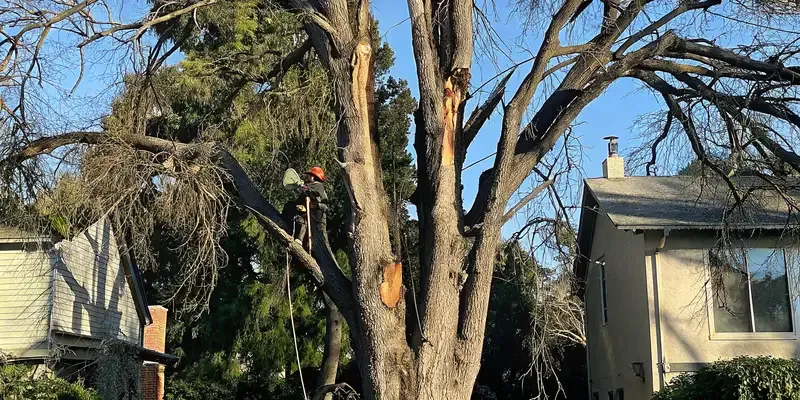
The very first thing a professional crew will do when they arrive is perform a detailed safety assessment. This isn't just a quick glance; it's a crucial step to evaluate the immediate dangers. The team leader will inspect the damaged tree, identify unstable limbs, and check for proximity to power lines, your home, or other structures. Based on this evaluation, they will create a strategic plan for the safest and most efficient way to perform the emergency tree removal. This plan ensures every step is deliberate and calculated to prevent further damage or injury.
Safe Removal of Damaged Trees
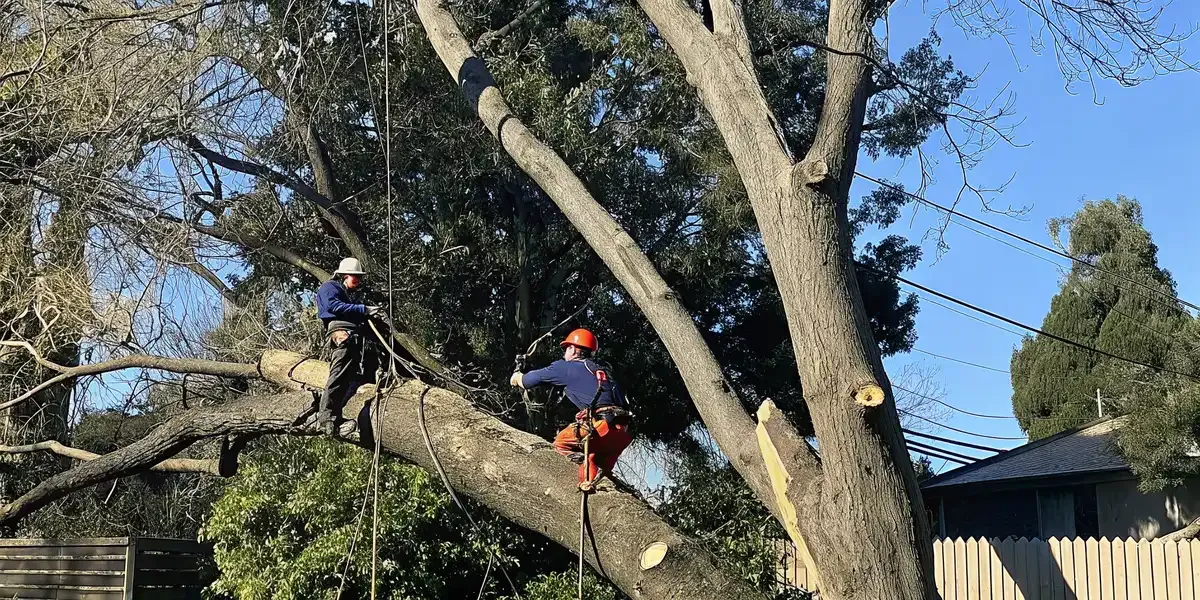
Once a safe plan is in place, the removal process begins. This is where the expertise of certified arborists truly shines. Using specialized equipment like cranes, rigging, and professional-grade saws, the team will carefully dismantle the tree. They often remove it in sections, starting from the top or with the most hazardous limbs, to control the descent of each piece. This methodical approach minimizes the risk of falling branches causing more damage. It’s a highly technical job that requires extensive training and experience to manage the complex forces at play in a compromised tree.
Thorough Site Cleanup and Debris Disposal
A professional service doesn't end when the tree is on the ground. A key part of the job is a complete site cleanup. The crew will work to remove all the debris from your property, including the large trunk sections, branches, and smaller twigs. They use wood chippers to break down branches and have the equipment to haul away heavy logs. The goal is to leave your yard looking clean and, most importantly, safe. You can also discuss additional services like stump grinding to remove the remaining stump and roots, fully restoring your landscape.
The Risks of DIY Emergency Tree Removal
It can be tempting to grab a chainsaw and try to handle a fallen or damaged tree yourself, but this is incredibly dangerous. Emergency tree work involves unstable trees that can shift unexpectedly. The risks include falls from ladders, severe injury from powerful tools, and the potential for causing the tree to fall on your home, car, or a person. Professional arborists have the training, safety gear, and experience to handle these hazards. For your own safety and to prevent costly mistakes, it’s always best to leave this work to the experts and contact a professional for help.
How Much Does Emergency Tree Removal Cost in Sacramento?
When a tree emergency strikes, one of the first questions that comes to mind is, "How much will this cost?" It's a valid concern, especially when you're dealing with the stress of a damaged or fallen tree. The truth is, there’s no single price tag for emergency tree removal. The final cost depends on the specifics of your situation. A professional arborist needs to assess the scene to provide an accurate quote. Understanding the factors that influence the price can help you know what to expect and ensure you’re getting a fair estimate for the work.
What Affects the Price?
The cost of emergency tree removal isn't one-size-fits-all. Several key factors determine the final price. The tree's size is a major one; a towering oak will require more time, equipment, and labor to remove than a small ornamental tree. The tree's condition also plays a significant role. A tree that is unstable, split, or tangled in other trees presents a higher risk and requires more careful, specialized work. Finally, accessibility is a huge factor. A tree that has fallen in an open front yard is much easier to deal with than one that has crashed into a back patio or is leaning precariously over your neighbor's roof. Difficult-to-access trees often drive up the cost of removal.
Costs for Additional Services
When you get a quote for emergency tree removal, it’s important to ask what’s included. The base price usually covers cutting the tree down and getting it safely on the ground. However, you’ll likely need additional services to fully clean up your property. For instance, stump grinding removes the remaining stump below the soil line, which typically costs extra. You’ll also want to consider debris removal, which involves hauling away all the branches, leaves, and logs. Some companies also offer wood chipping, turning the branches into useful mulch for your garden. Be sure to discuss these options with your tree service company to ensure the final quote covers everything you need for a complete cleanup.
Who Pays for Tree Removal?
Many homeowners wonder if their insurance will help with the bill. The answer depends on your policy and the circumstances. Generally, homeowners insurance may cover the cost of tree removal if the tree fell and damaged a covered structure, like your house, garage, or fence. For example, if a storm causes a tree to crash through your roof, your policy will likely help pay to remove the tree and repair the damage. However, if the same tree falls in your yard without hitting anything, you will probably have to pay for the removal yourself. It's always best to review your policy or contact your insurance agent to understand what your specific coverage includes.
How to Get a Free Estimate
The most reliable way to determine the cost of your emergency tree removal is to get a professional estimate. Reputable companies will offer a free, no-obligation quote after assessing the situation. During an emergency, you need a team that can respond quickly and provide a clear, upfront price. When the arborist arrives, they will evaluate the tree's size, condition, and location to give you an accurate cost. We recommend getting a written estimate that details every service included, from the initial removal to the final cleanup. If you're facing a tree emergency in the Sacramento area, you can request a free estimate to get the process started right away.
Will Insurance or FEMA Help Cover the Costs?
After a storm, one of the first questions on your mind is likely about the cost of cleanup. Dealing with a fallen tree is stressful enough without worrying about the financial side. The good news is that you might not have to cover the entire bill yourself. Depending on the circumstances, your homeowners insurance or even federal assistance programs can help. Let's walk through what you need to know about getting financial help for emergency tree removal.
Does Homeowners Insurance Cover Tree Removal?
Whether your homeowners insurance will pay for tree removal really depends on the specifics of the situation. Generally, insurance policies don't cover preventative work. So, if you have a tree that looks dangerous but hasn't fallen, you'll likely have to pay for its removal out of pocket. However, if a storm causes a tree to fall and it damages a covered structure on your property, like your house, garage, or fence, your policy will probably cover the cost of removing the tree and repairing the damage. It’s always best to review your policy documents to be sure.
Understanding Your Policy's Coverage
It's important to get familiar with the fine print of your insurance policy. For example, if a storm damages a tree but it's only leaning and hasn't completely fallen, your insurance probably won't cover its removal. Similarly, if a tree falls on your property during a storm but doesn't hit anything or cause any damage to insured structures, you may be responsible for the removal costs. Every policy is different, so take the time to call your agent and ask specific questions. Understanding these details ahead of time can save you a lot of frustration later.
How to Apply for FEMA Assistance
FEMA assistance for tree removal is only available under very specific circumstances. First, the President must declare the area a federal disaster zone. This is reserved for major events, not typical Sacramento storms. Second, the tree must pose an immediate and direct threat to public health and safety or a building. FEMA won't cover the removal of a tree that simply fell in your yard. If your situation meets these strict criteria, you can begin the application process, but it's important to know that this type of aid is not a common solution for most homeowners.
Finding California and Local Aid Programs
For most residents, local aid is a more realistic path than federal assistance. After a major storm, you will typically work with your city or county officials for debris removal programs, not directly with FEMA. These local programs are designed to help the community recover by clearing public right-of-ways and sometimes assisting with hazardous trees on private property. Keep an eye on announcements from the City of Sacramento or Sacramento County's Office of Emergency Services after a severe weather event for guidance on available resources and how to access them.
What to Document Before Work Starts
Before any cleanup begins, it's crucial to document everything. This is your proof for any insurance or aid claim. Use your phone to take plenty of photos and videos of the fallen tree and any damage it caused from multiple angles. Make sure to capture where the tree fell and what it landed on. Keep detailed records of all your communications with your insurance agent and any tree service companies you contact. This documentation will be essential to prove the damage was caused by the disaster and that the tree posed a hazard, which can help you get the professional help you need.
Frequently Asked Questions
What should I do if a tree falls on or near a power line? Your first and most important step is to ensure everyone's safety. Stay far away from the tree and the power line, and keep pets and other people away, too. Assume the line is live and extremely dangerous. Do not touch it or any part of the tree. Your first call should be to 911 to report the hazard, followed by a call to your local utility company. Only after the scene is secured by professionals should you contact a tree service that has explicit experience with these high-risk situations.
Why is it so important for a tree service to be licensed and insured? Think of it as your personal financial safety net. A license proves the company meets professional standards, but insurance is what truly protects you. If an uninsured worker gets hurt on your property or the crew accidentally causes more damage to your home, you could be held financially responsible for all of it. A reputable company's liability and workers' compensation insurance means you are protected from those unexpected and potentially devastating costs.
Can I just cut up the fallen tree myself to save money? I completely understand the instinct to want to handle things yourself, but please don't. A fallen or storm-damaged tree is incredibly unstable and unpredictable. Branches can be under extreme tension and may snap back with dangerous force when cut. Chainsaws are powerful tools that require skill, especially in a hazardous environment. For your own safety and to prevent causing even more damage, this is one job that is always best left to trained and properly equipped professionals.
Will my homeowners insurance automatically pay for a fallen tree? Not always. It really depends on what the tree landed on. If a tree falls and damages a covered structure like your house, fence, or garage, your policy will likely help cover the removal and repair costs. However, if the same tree falls in your yard without hitting anything, you will probably be responsible for the cleanup bill. The best course of action is to take photos of the damage and then call your insurance agent to clarify what your specific policy covers.
What happens after the tree is cut down? Am I responsible for the mess? A professional emergency service should not end with the tree on the ground. A complete job includes thorough site cleanup. The crew will typically chip smaller branches, cut the trunk into manageable logs, and haul all the debris away, leaving your property safe and clear. Before you agree to any work, make sure the written estimate you receive clearly states that full cleanup and debris disposal are included in the price.
Comments